Hebrew Antique Judaica books, manuscripts and postcards

Catalog

A two-volume work—a cornerstone of early American-Hebrew printing—containing...

Lot 48: A two-volume work—a cornerstone of early American-Hebrew printing—containing...

The auction will start in __ days and __ hours

Start price: £40

Estimated price: £40 - £60

Buyer's premium:

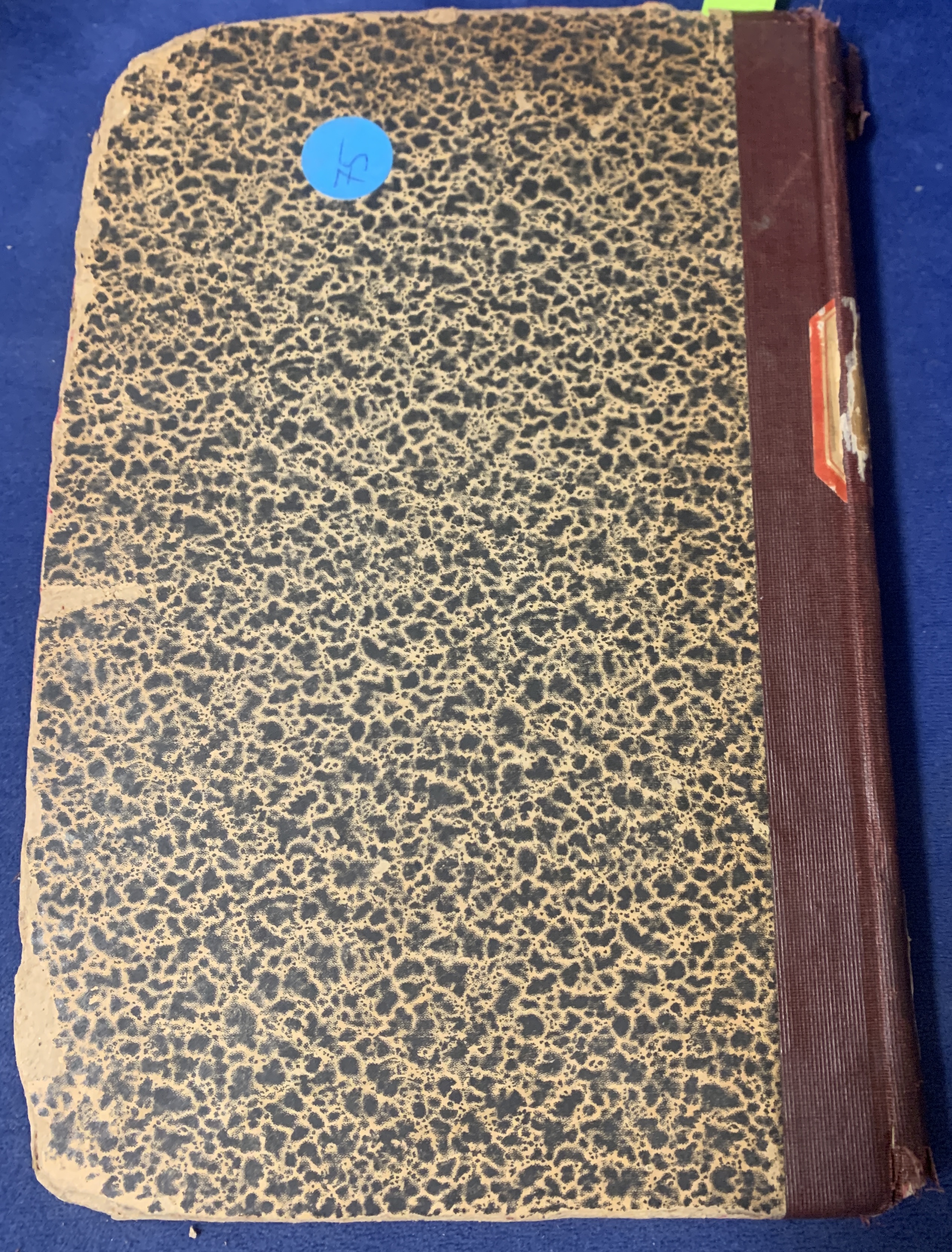
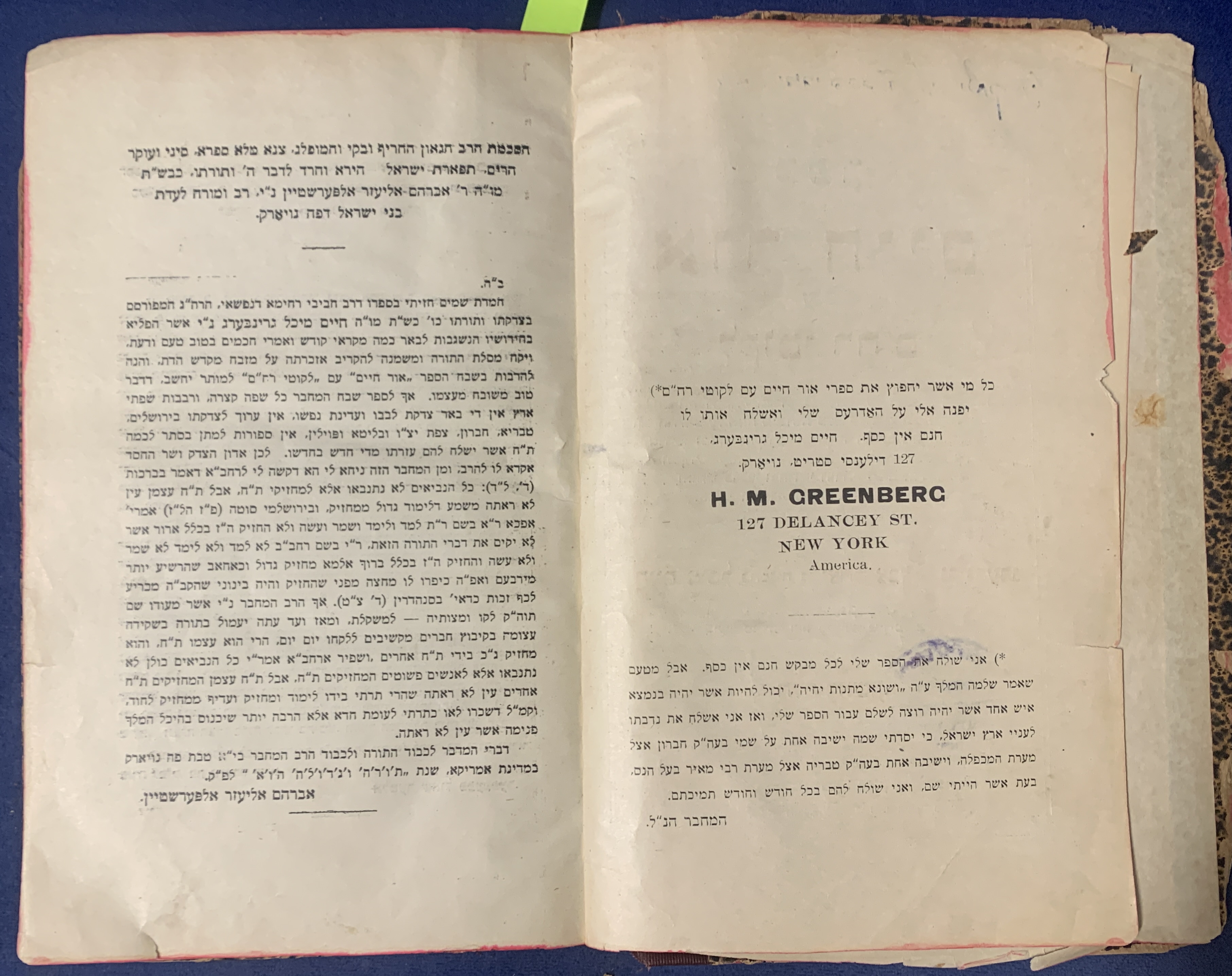
A two-volume work—a cornerstone of early American-Hebrew printing—containing the author’s profound, printed dedication to his late wife and endorsed by four leading contemporary American Rabbis.


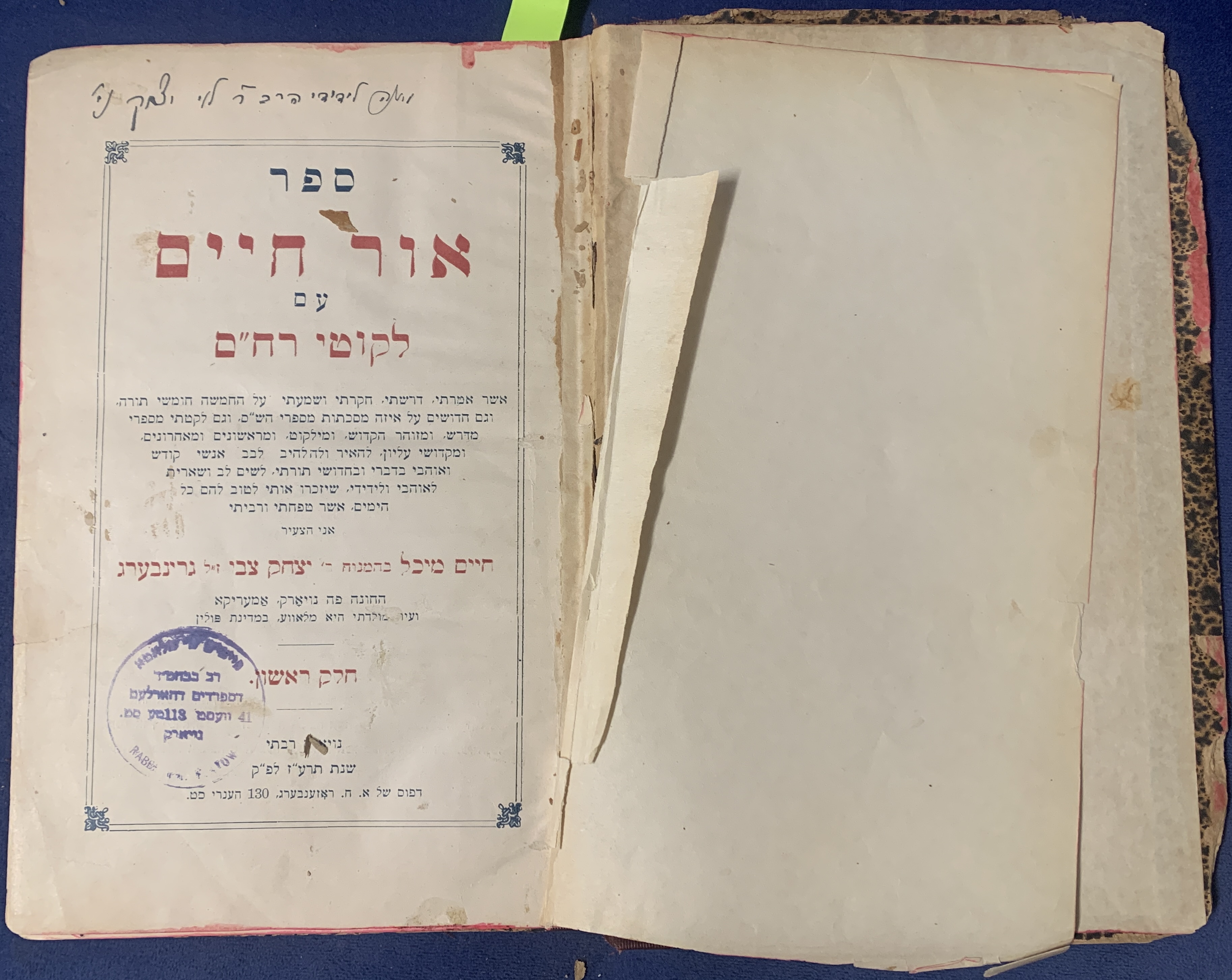
This volume contains both parts of the celebrated commentary אור חיים (Or Chaim), by Rabbi Chaim Michael Greenburg (חיים מיכל גרינבערג), printed in New York City in תרע"ז (1917). This book is invaluable for collectors focused on the establishment of traditional Hebrew scholarship in the United States.


Unique Historical and Biographical Features

  • Printed Author’s Dedication: Just before the second volume, the book includes the author’s deeply personal and printed dedication to the memory of his recently deceased wife. By making this sorrow a permanent, public part of his scholarly work, Rabbi Greenburg created a unique biographical document, connecting his personal tragedy to his commitment to Jewish law.
  • Association Provenance: The volume bears the stamp of the Beth Hamidrash D’Sphardim D’Harlem (The Sephardic Synagogue of Harlem) and was personally inscribed as a gift by the author to Rabbi R. Levi Yitzchak, establishing a unique, documented link between two early New York rabbinic figures.


Scholarly Authority: Four American Rabbinic Endorsers

The book’s scholarly value is validated by the four esteemed Haskamot (Endorsements), affirming its stature among the contemporary American Orthodox leadership:


  • Rabbi Avraham Eliezer Alfarshtein (אברהם אליעזר אלפערשטיין)
  • Rabbi Alter Shaul Pepper (אלטער שאול פפעפפער)
  • Rabbi Binyamin Baruch Gotta (בנימין ברוך גוטה) 
  • Rabbi Menachem Yehuda Guzik (מנחם יהודא גוזיק)


The collective approval of these four respected figures confirms that Rabbi Greenburg’s work met the highest standards of the American rabbinate in the 1910s.


This is a significant, documented connection between two early American rabbinic figures and two major New York Jewish communities (Ashkenazi publishing and Sephardic Harlem).