A tale of two traditions: A heavily illustrated Bohemian folk edition (Prague) vs. a Westernized "Anglicized" export edition (Hannover).
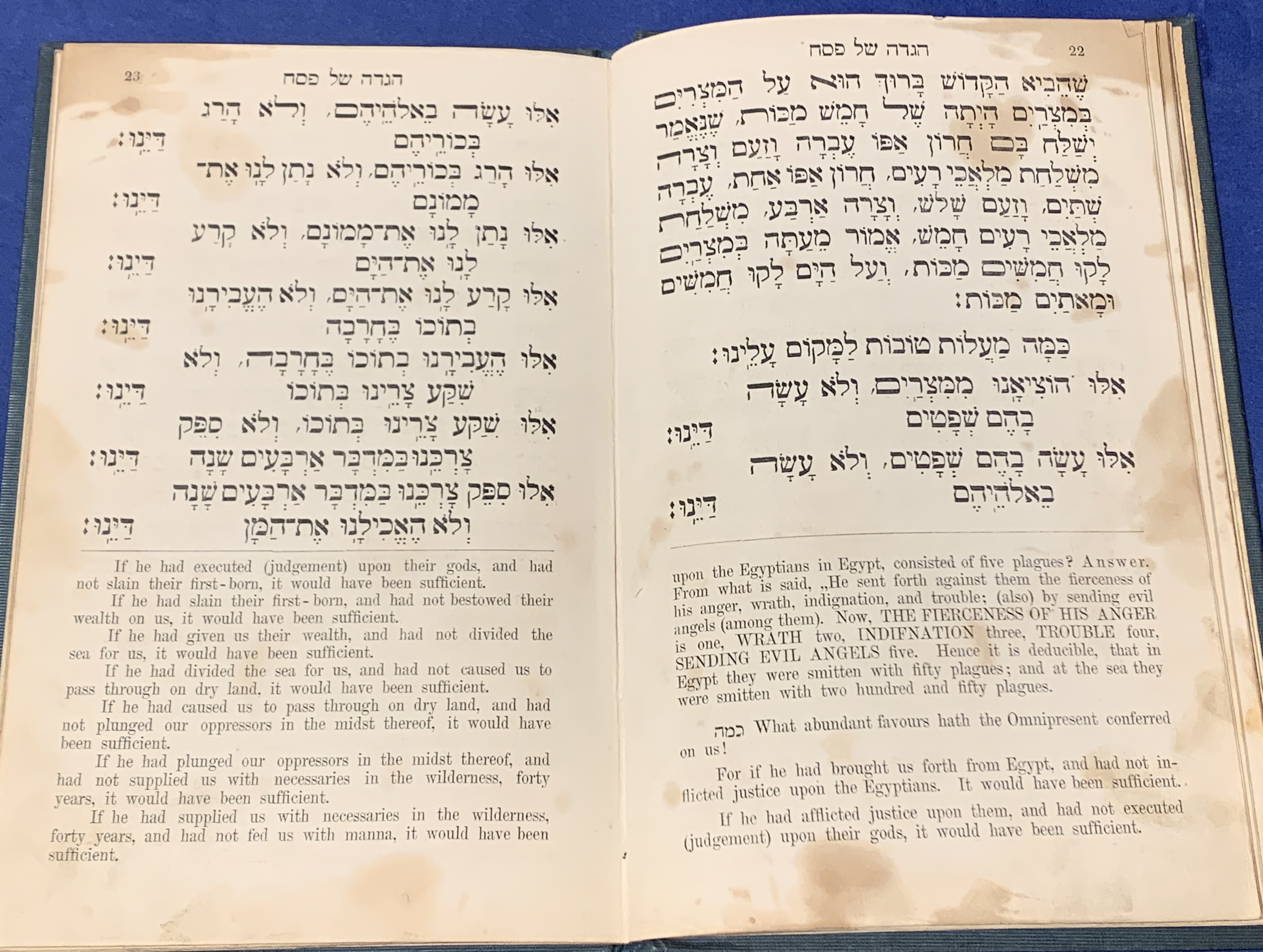
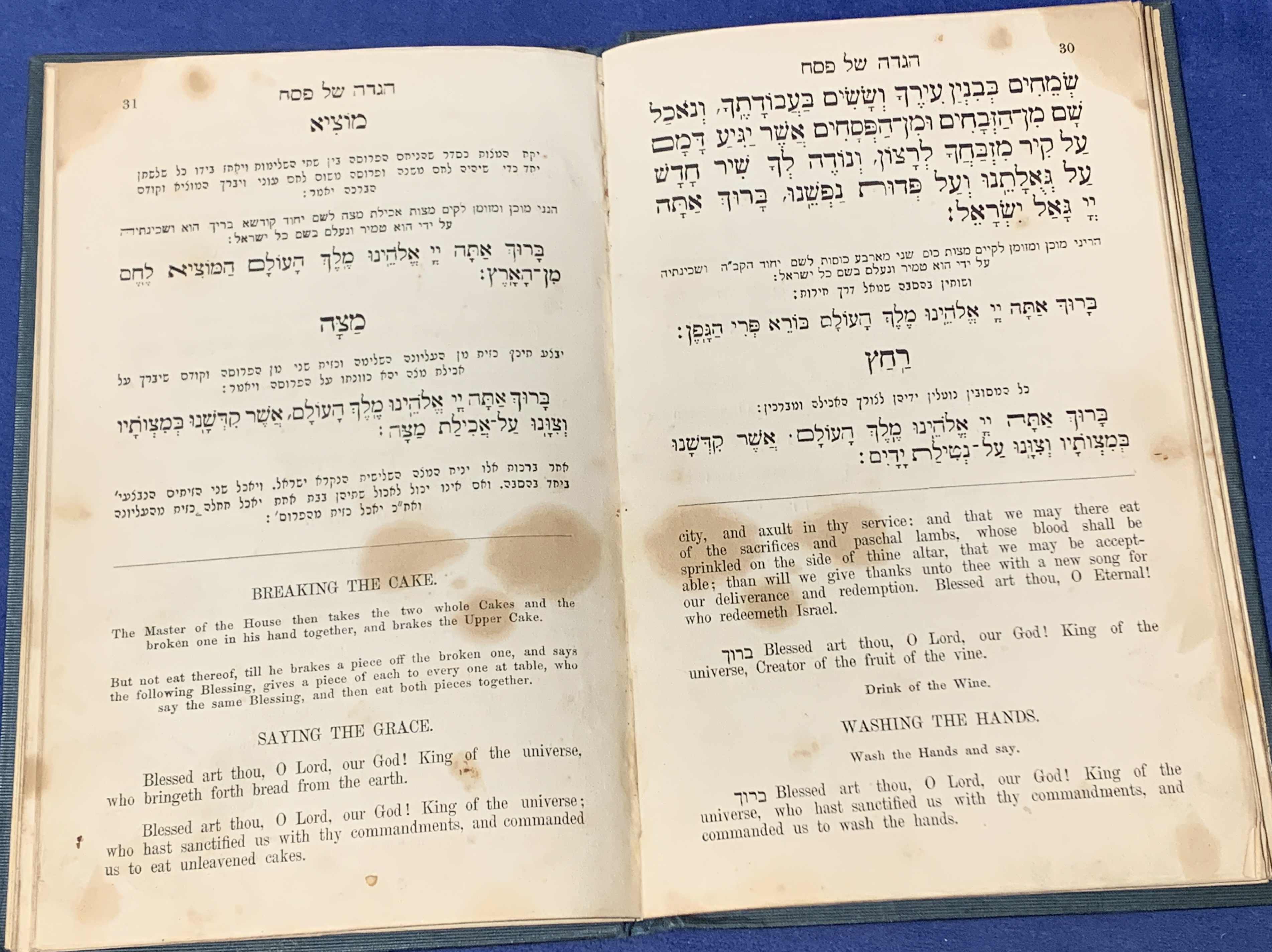
This lot features two complete Passover Haggadot printed within a year of each other, representing the two divergent paths of 19th-century Jewish printing.
____________
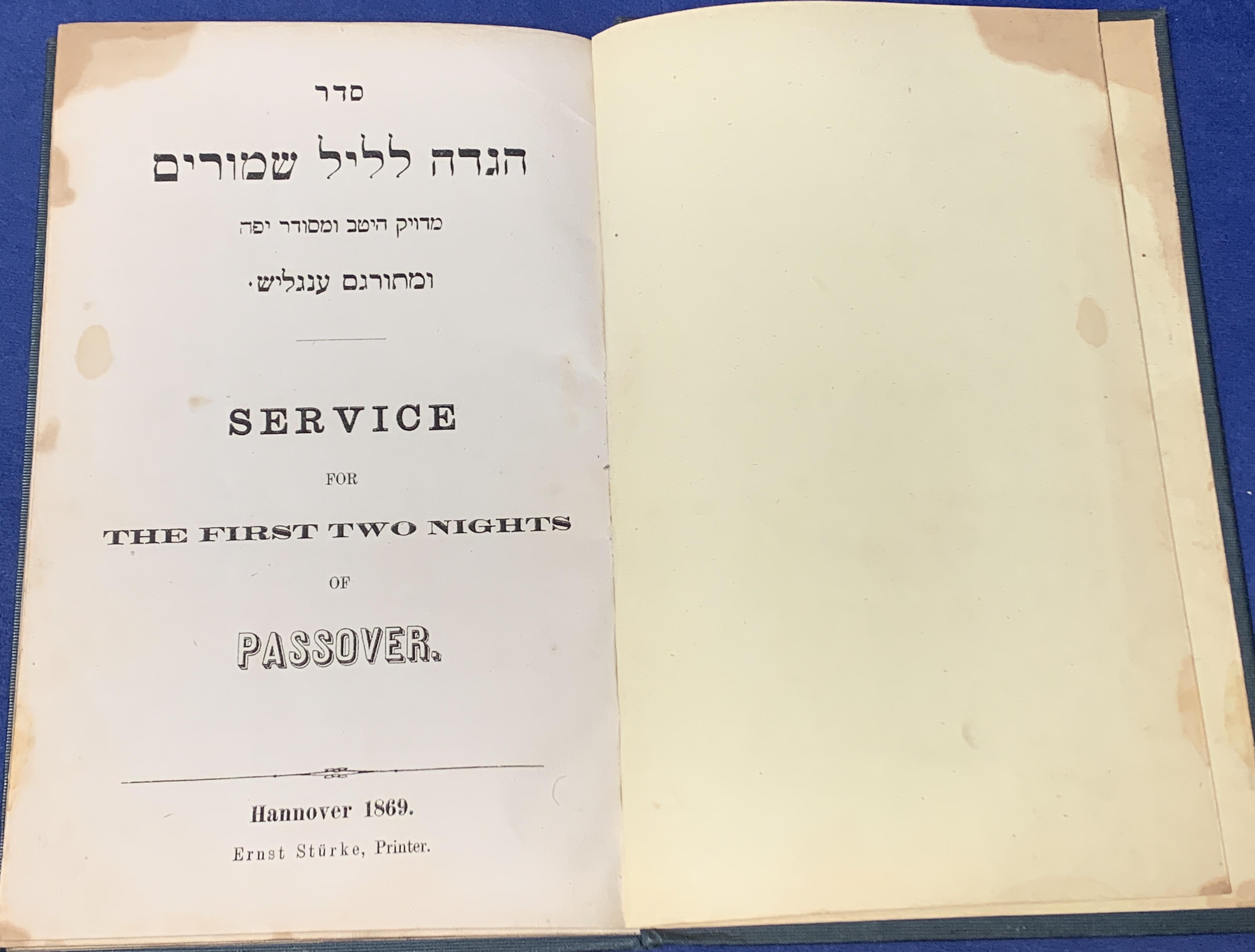
Item A: The "Westernized" Export Edition (Hannover, 1869)
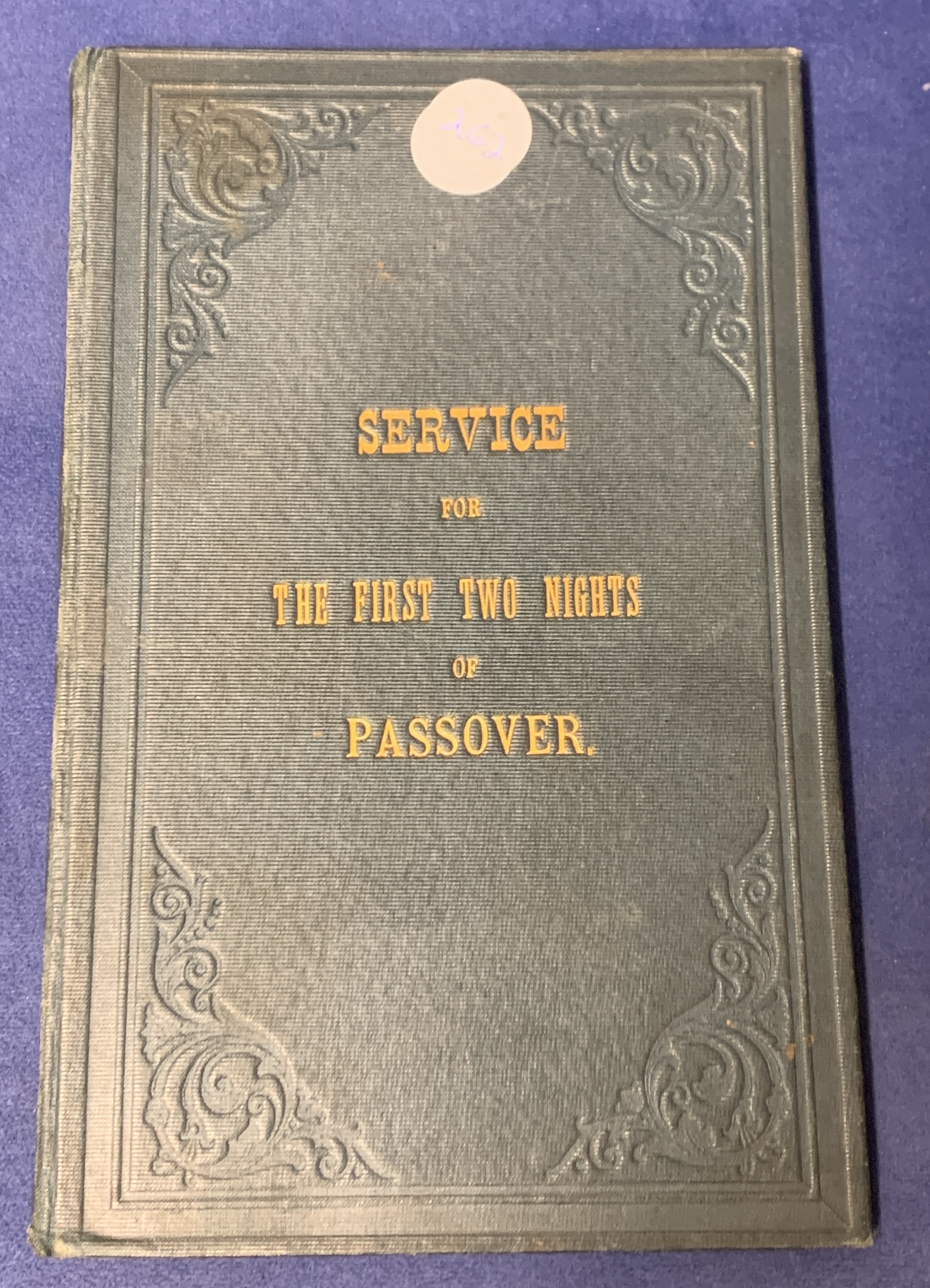
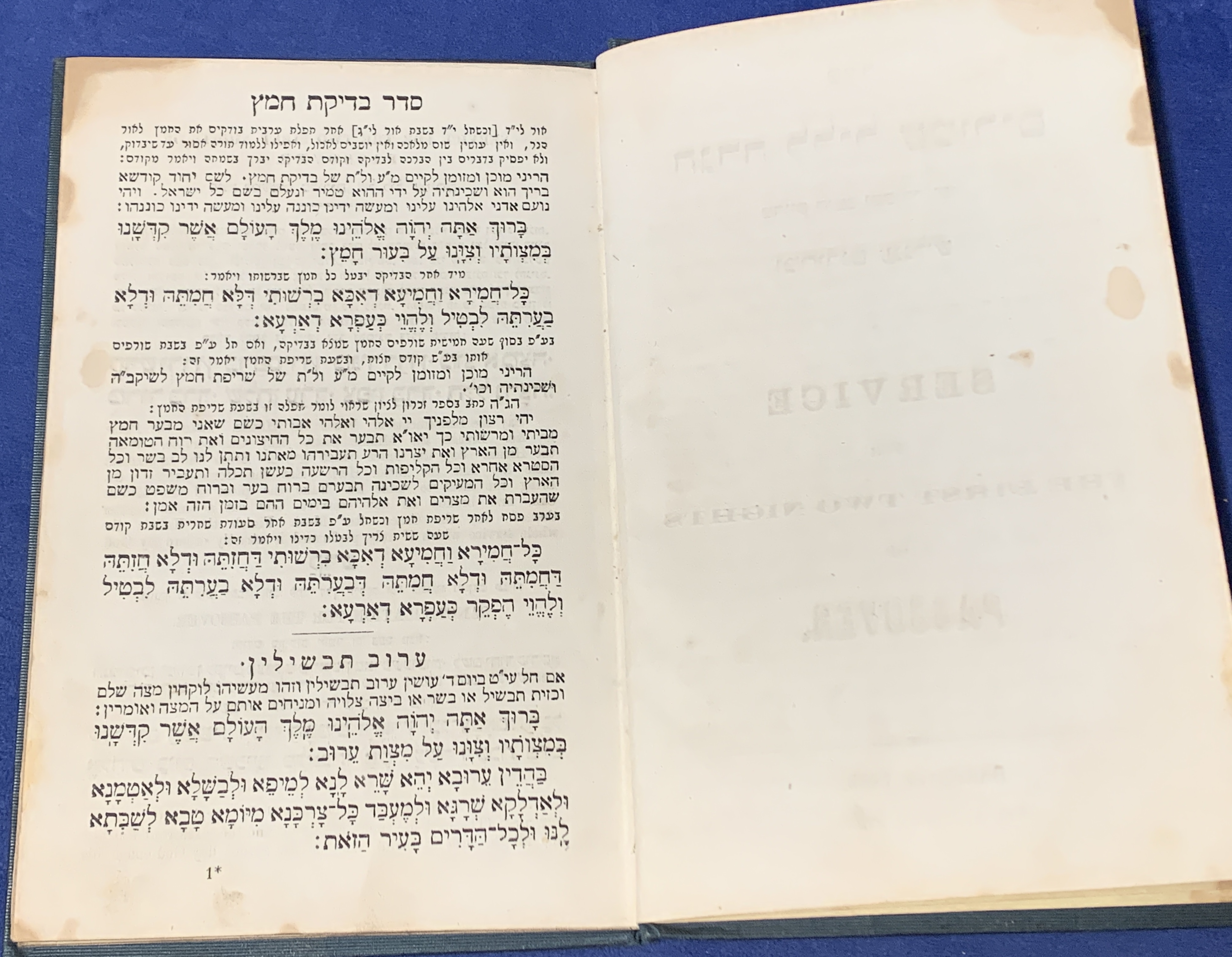
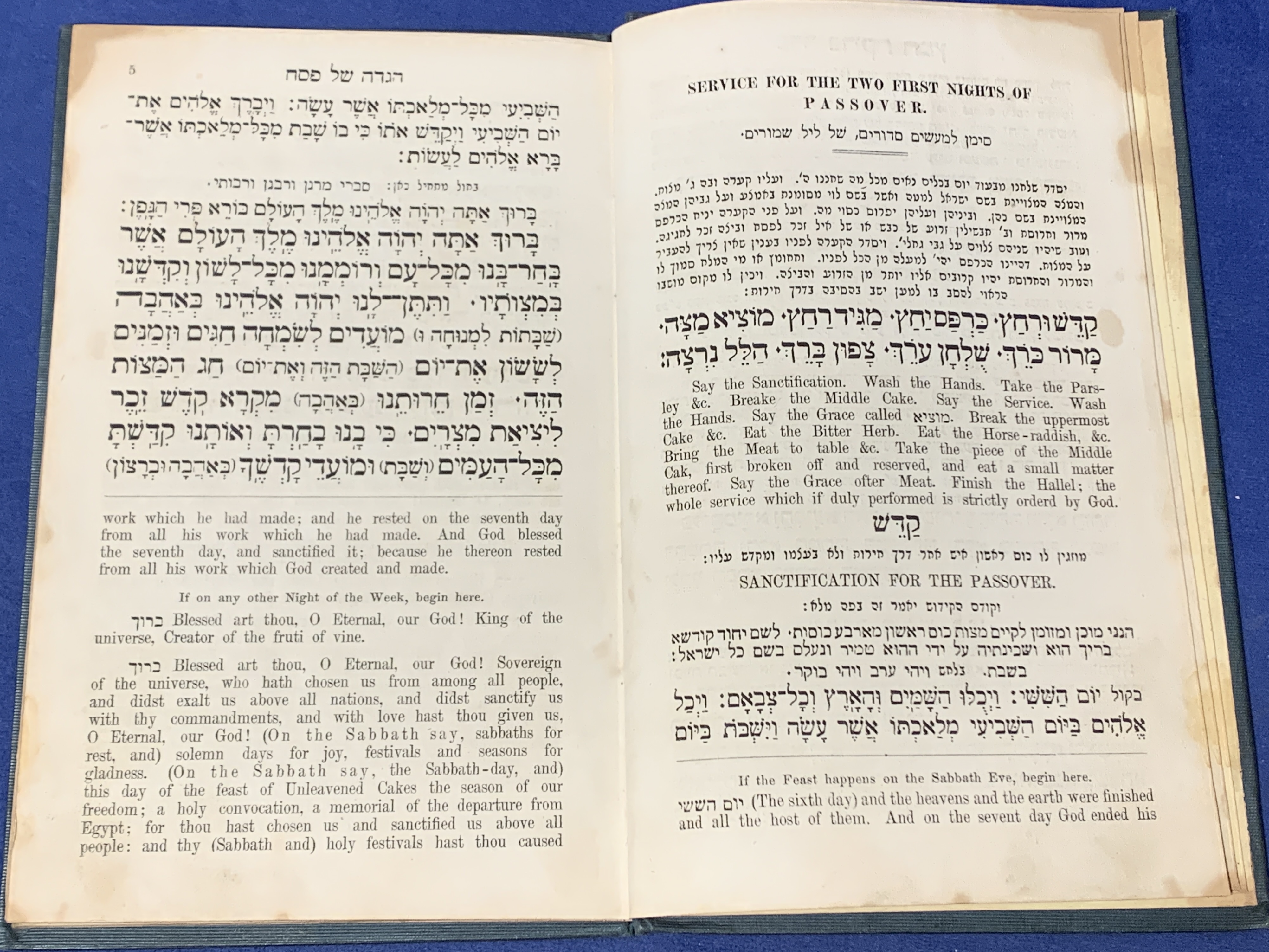
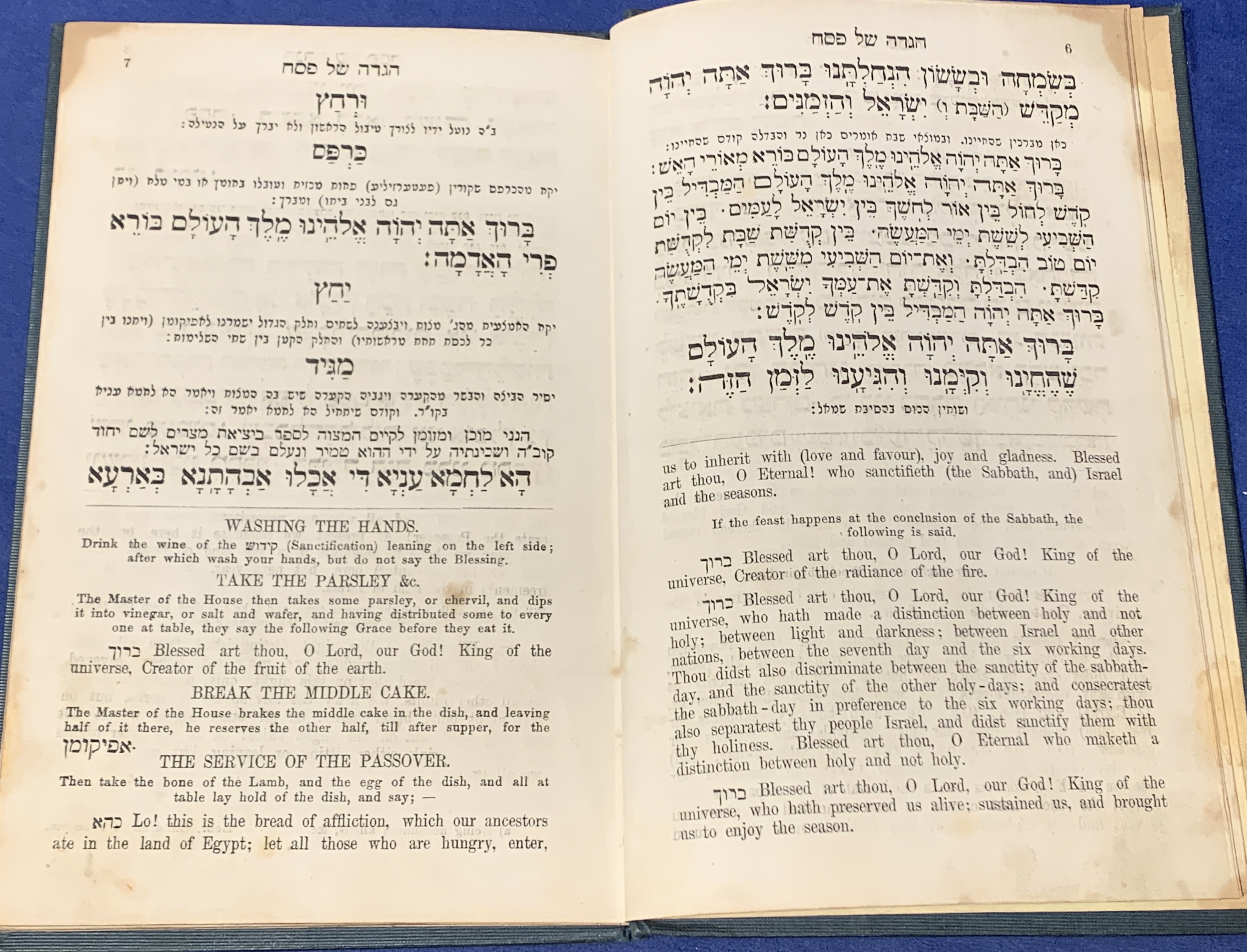
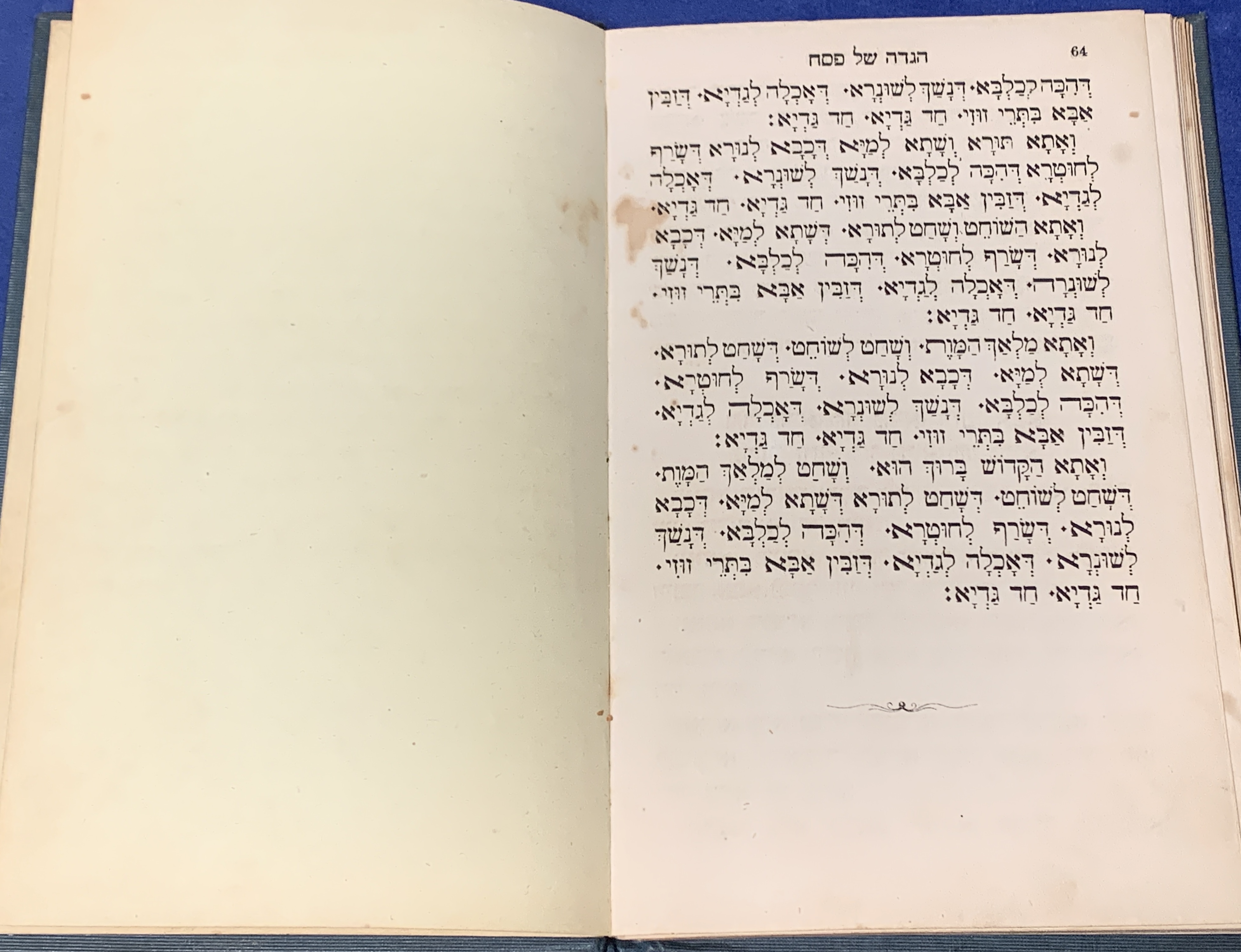
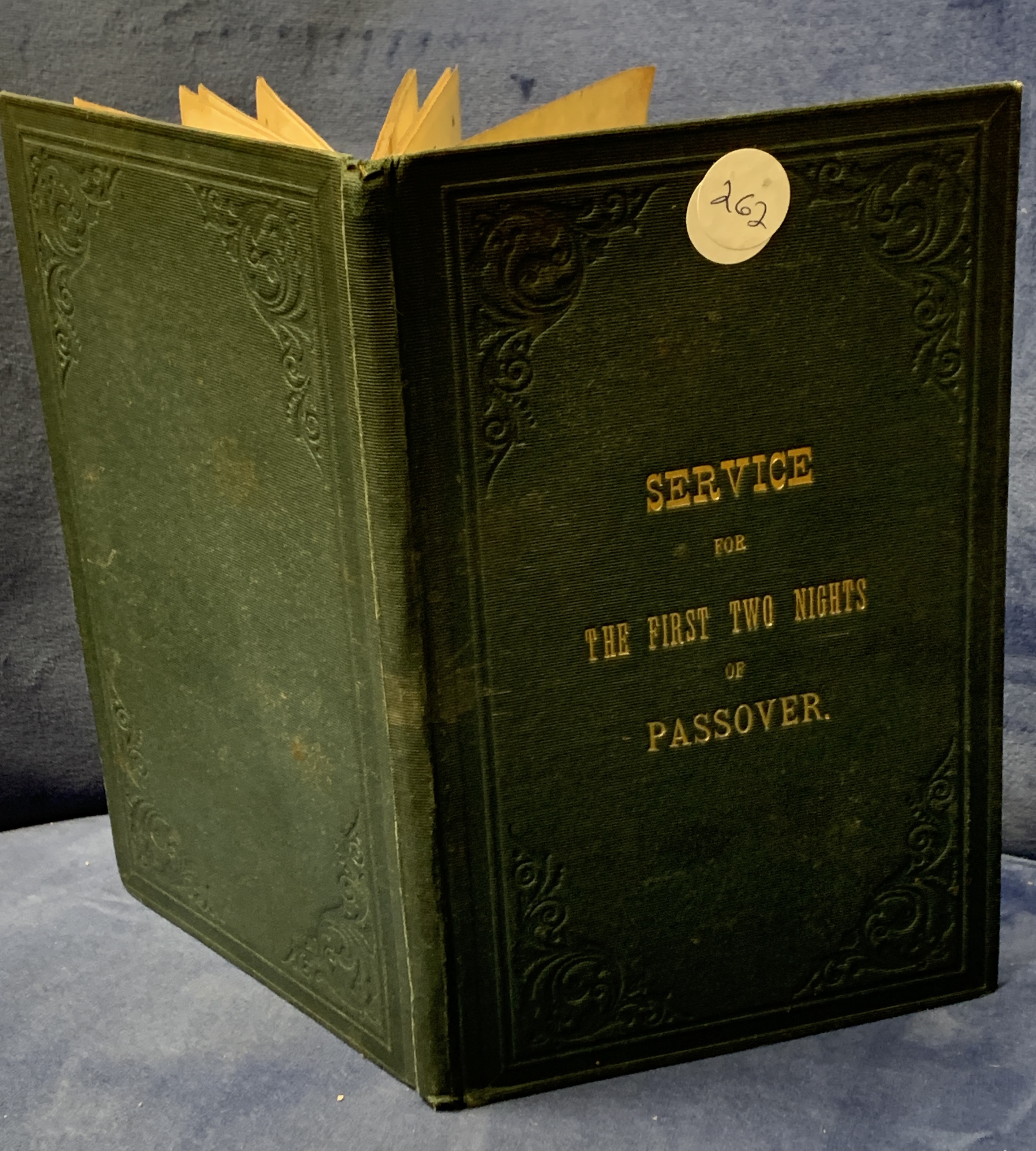
Title: Service for the First Two Nights of Passover Imprint: Hannover: Ernst Stürke, 1869.
Language: Hebrew & English.
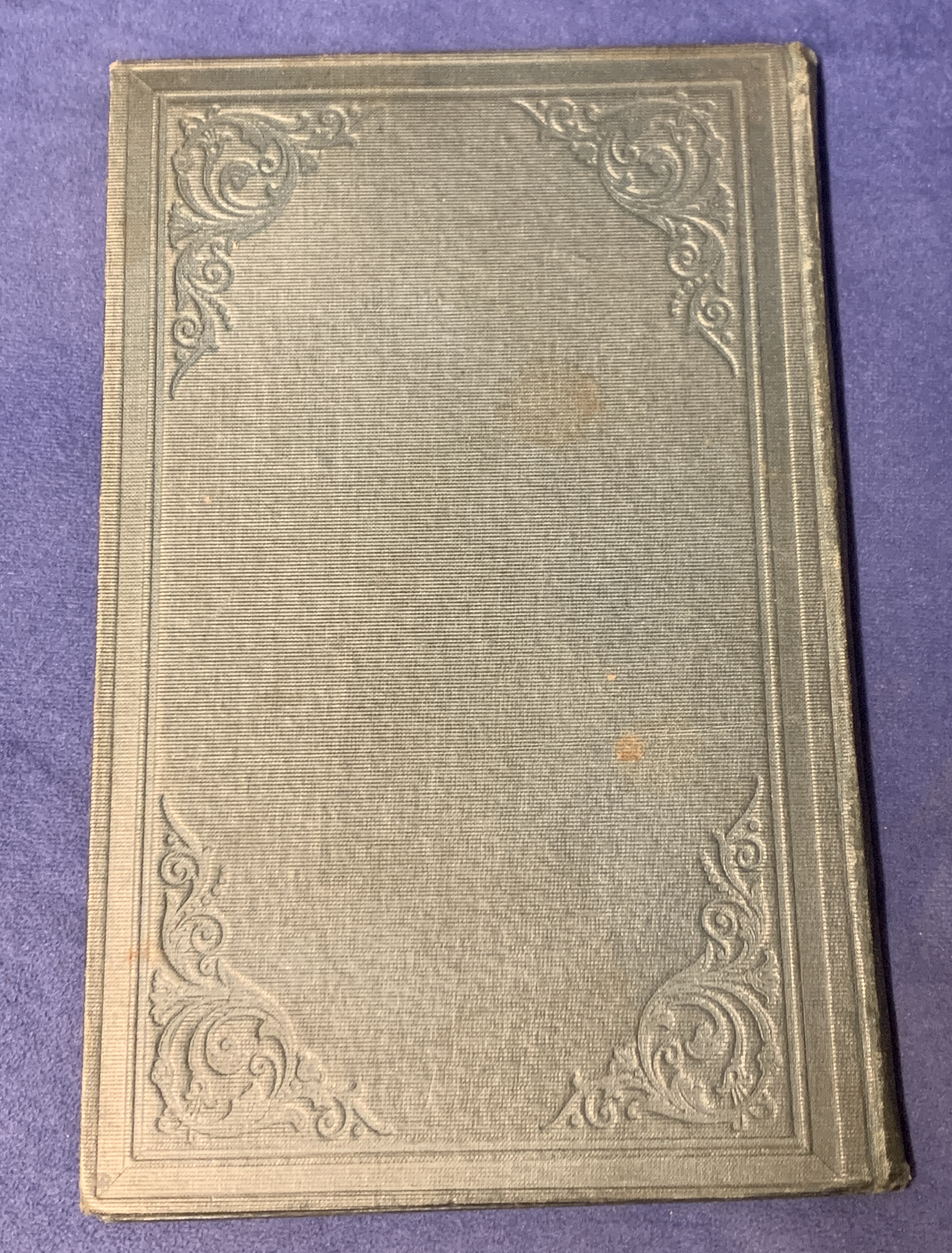
- The "Western" Layout: This volume is a prime example of the "Anglicized" format designed for the acculturated Jewish market. Uniquely, the book opens left-to-right (Western style). The primary English title page is printed on what is traditionally the back cover of a Hebrew book. This layout allowed the holy text to sit unobtrusively alongside secular English books on a Victorian library shelf.
- Binding: Original green blind-stamped cloth boards with the English title in gilt on the front.
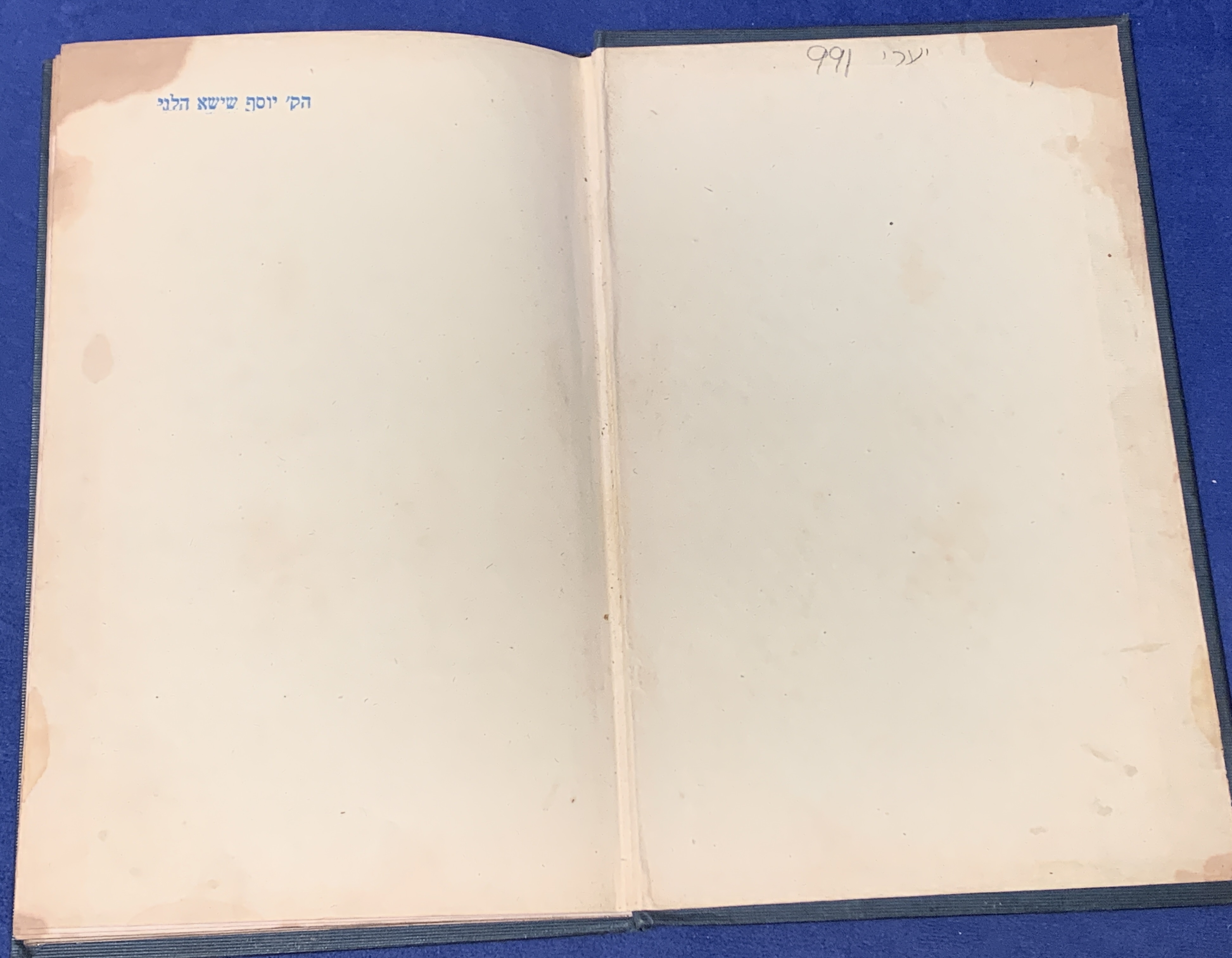
- Provenance: The front flyleaf bears the handwritten signature of a former owner, "HaKatan Yosef Shisha HaLevi".
_____________________________
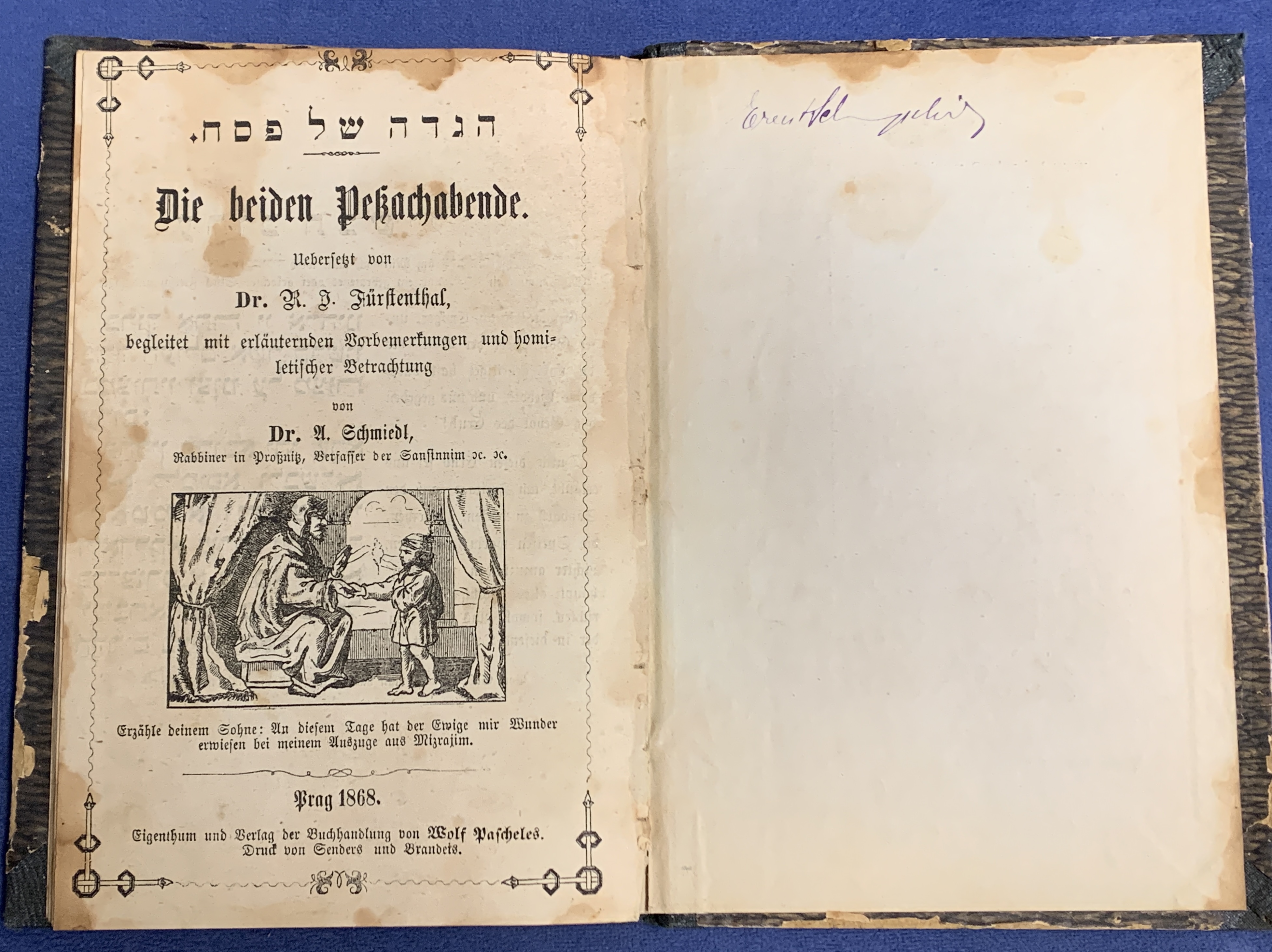
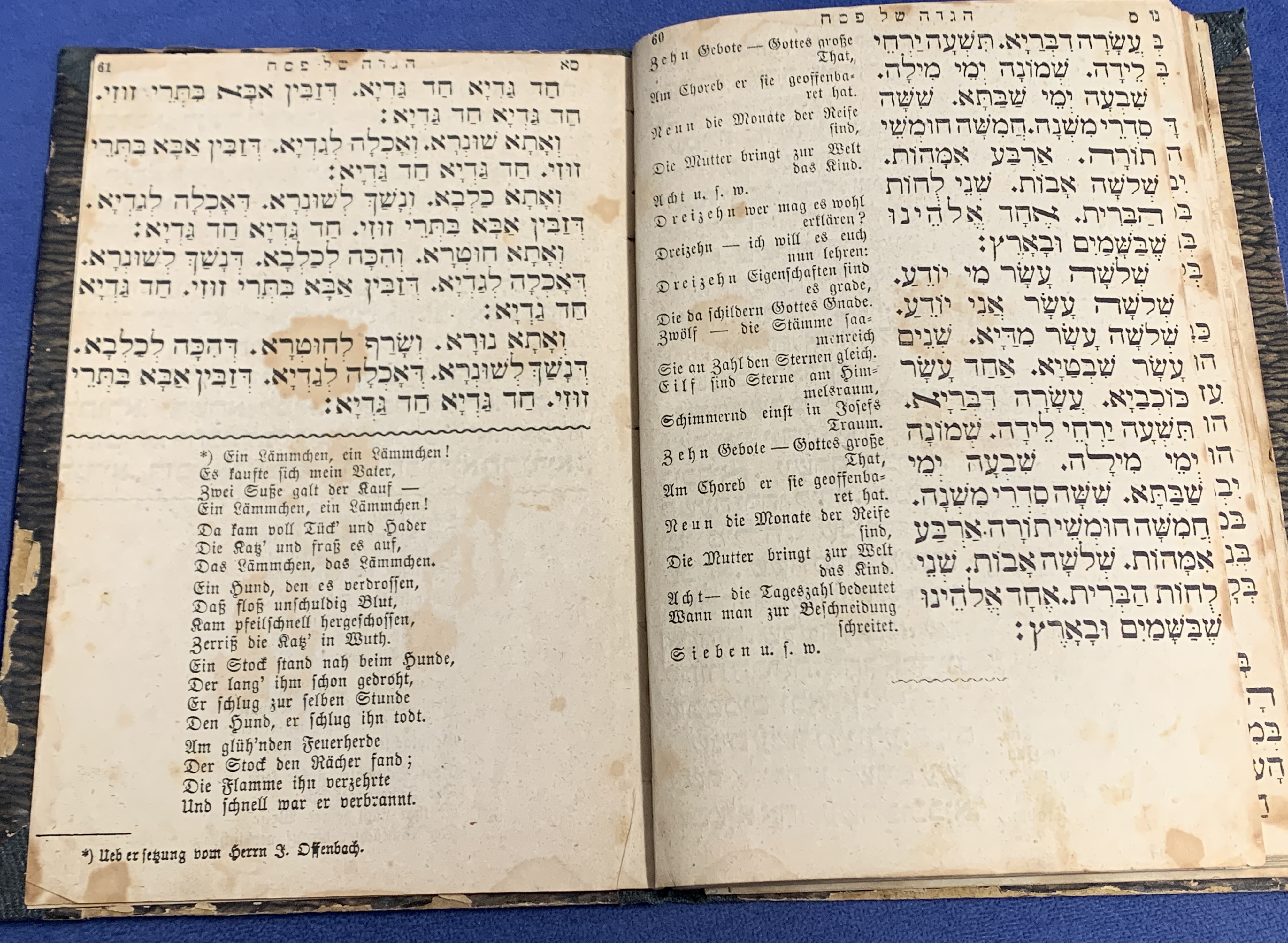
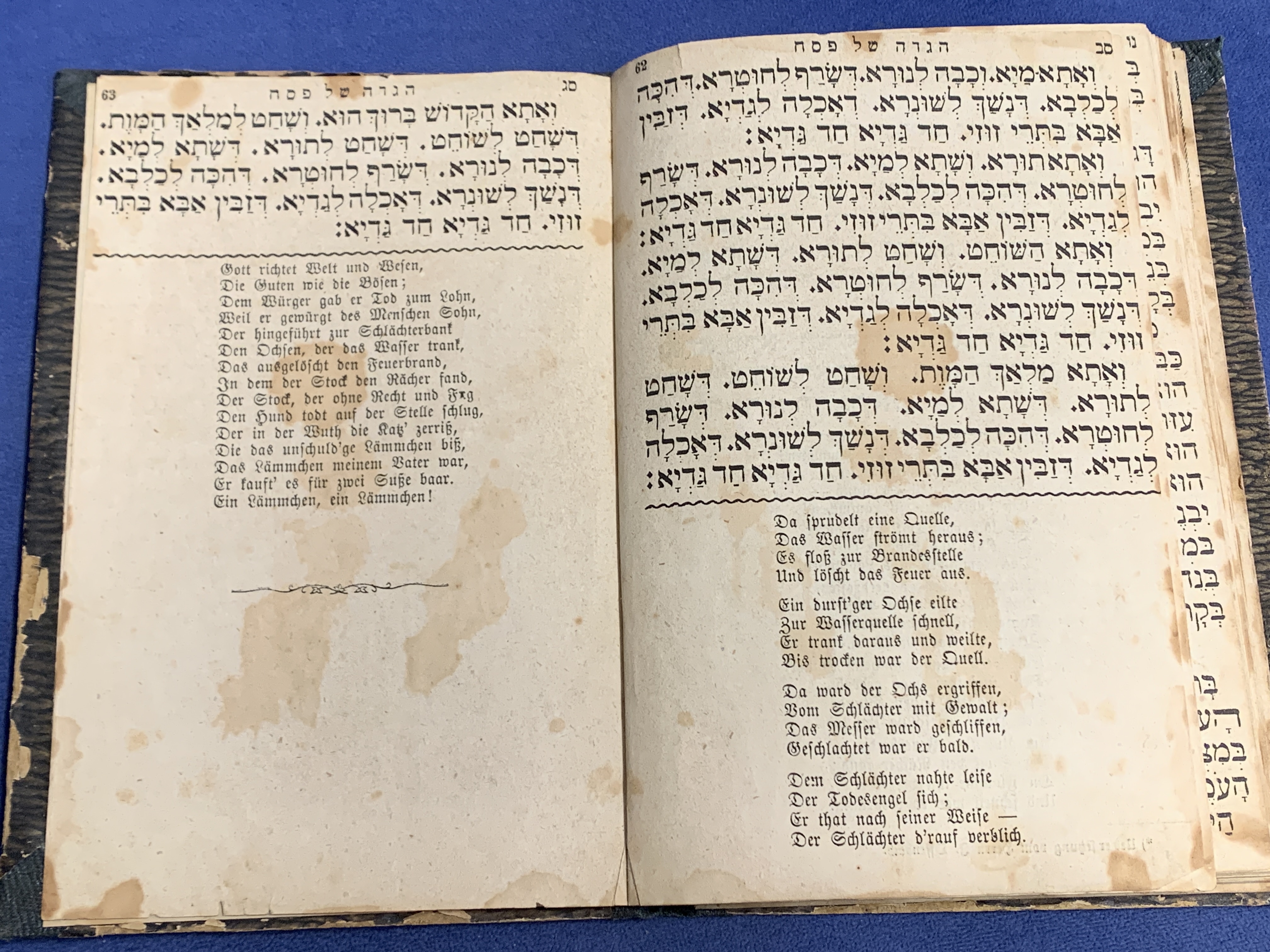
Item B: The Illustrated Bohemian Edition (Prague, 1868)
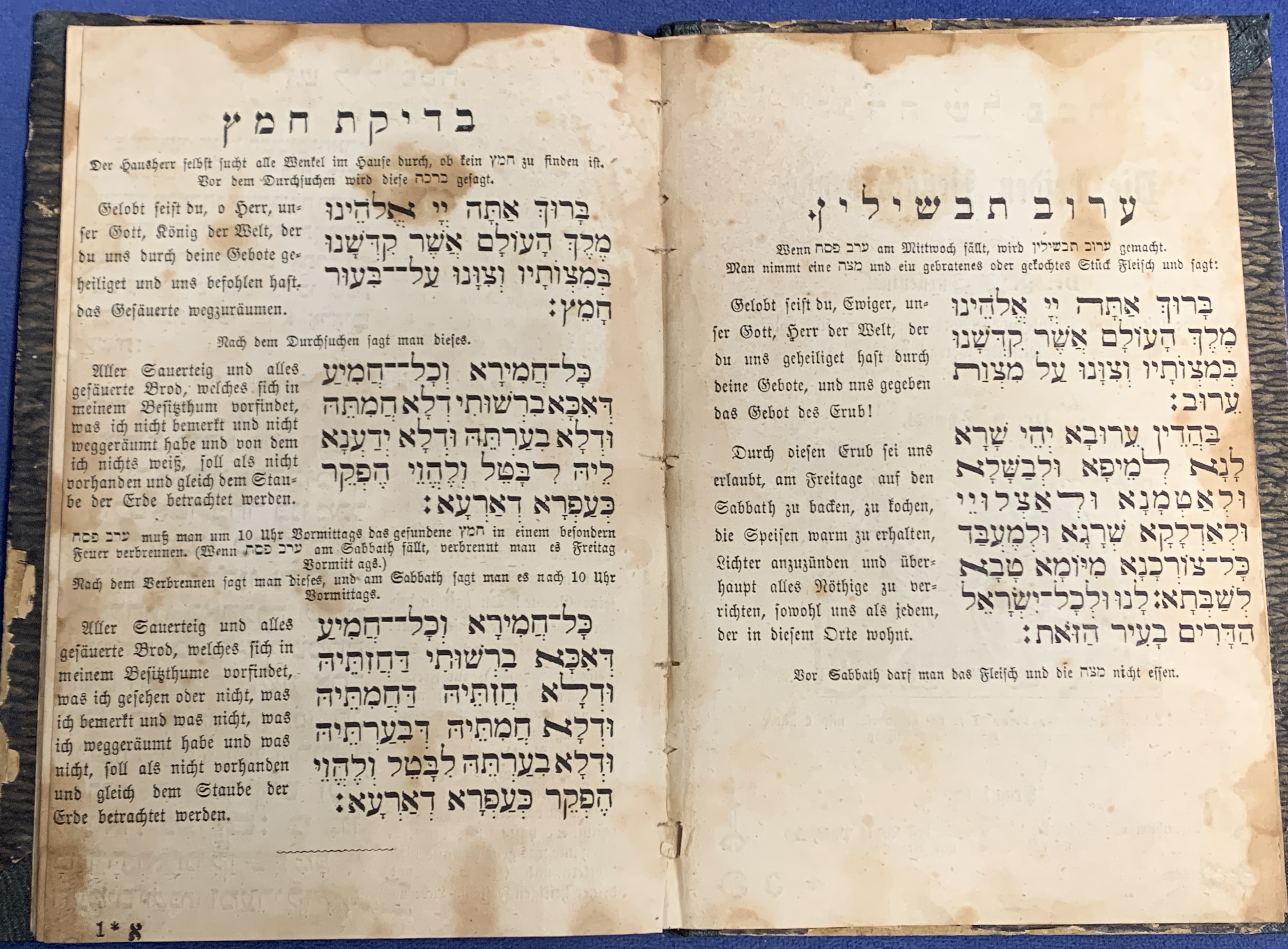
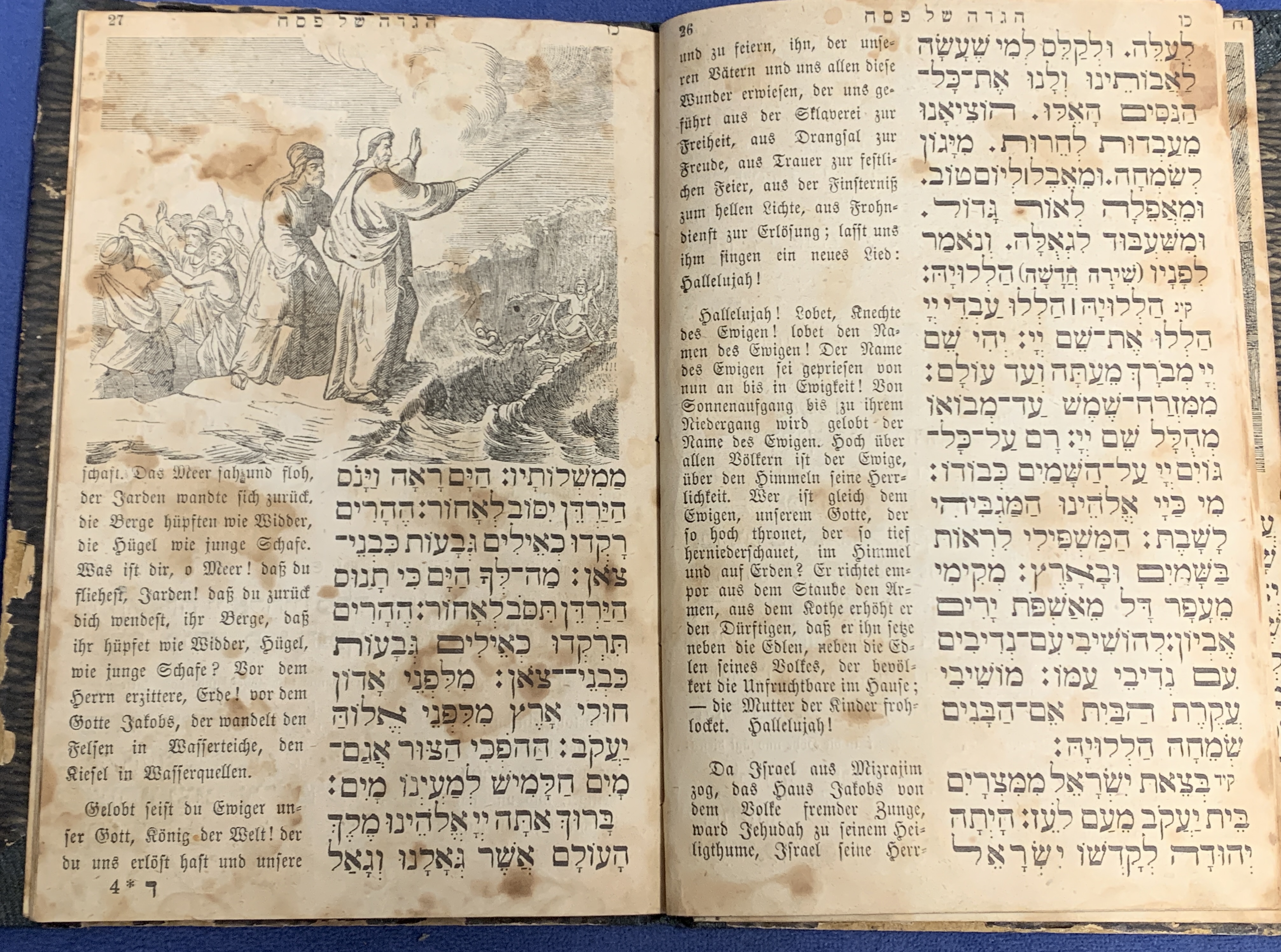
Title: Die beiden Pessachabende (The Two Passover Evenings)
Imprint: Prague: Wolf Pascheles, 1868.
Language: Hebrew & German (translated by Dr. R. J. Fürstenthal).
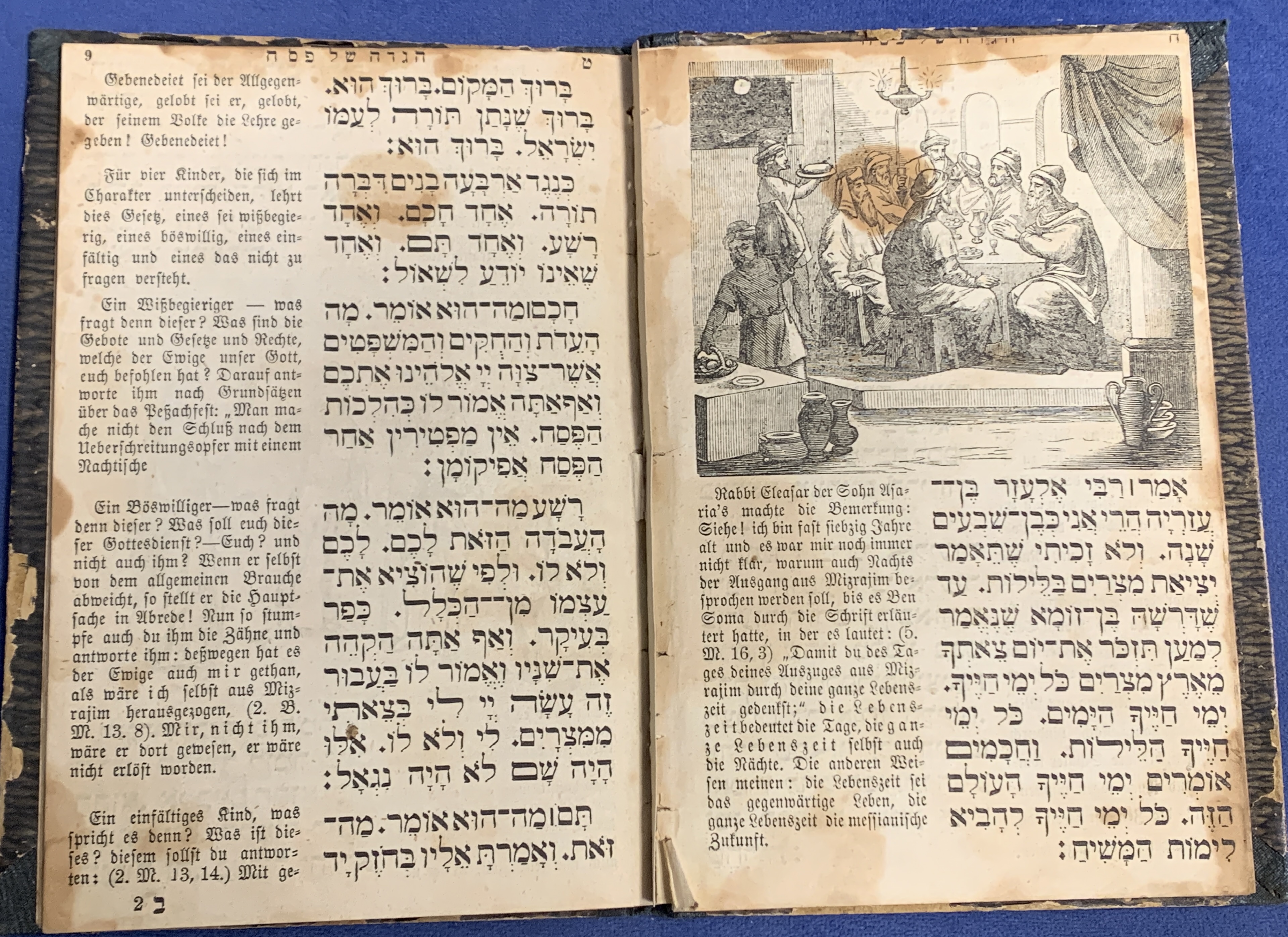
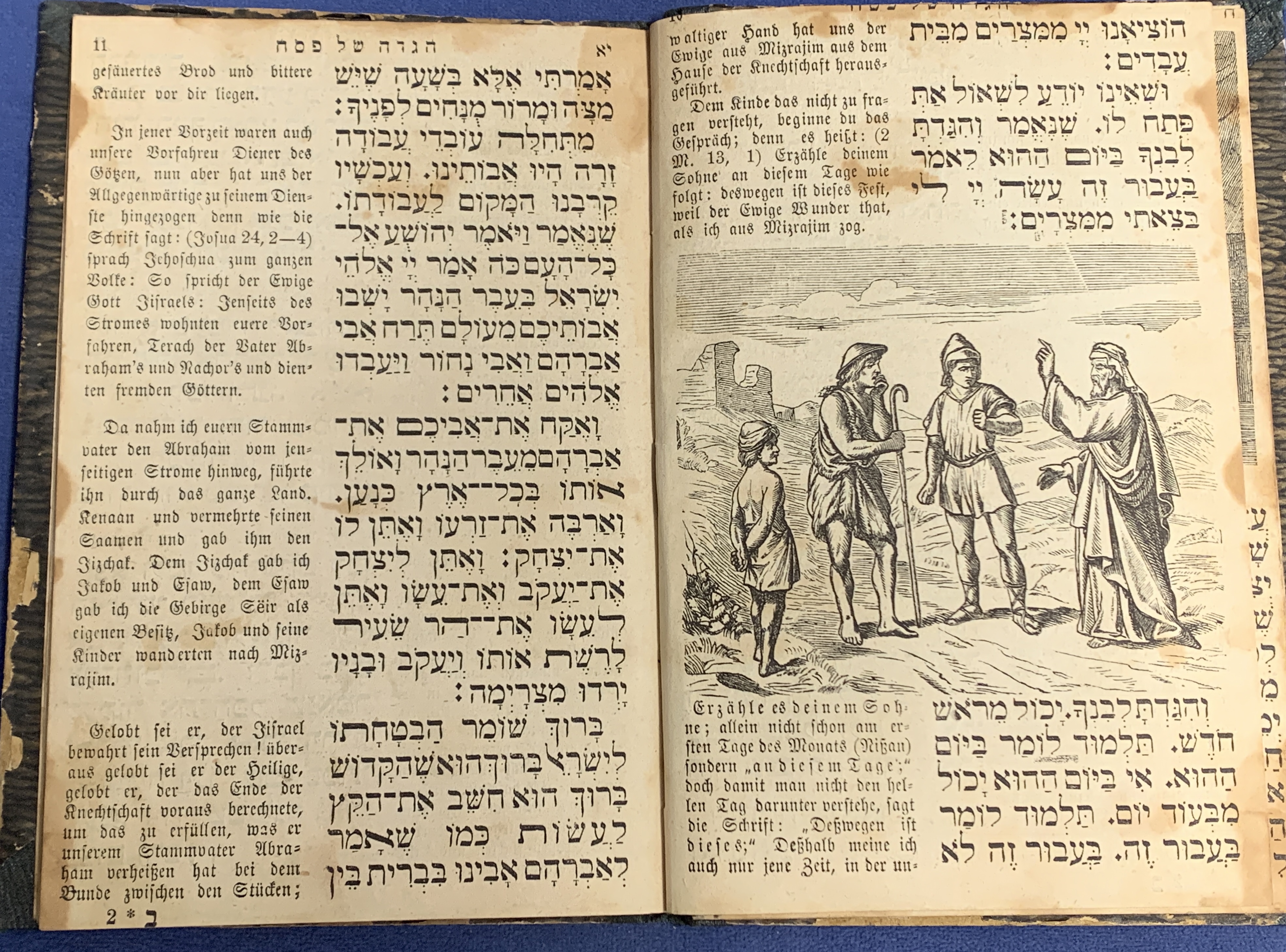
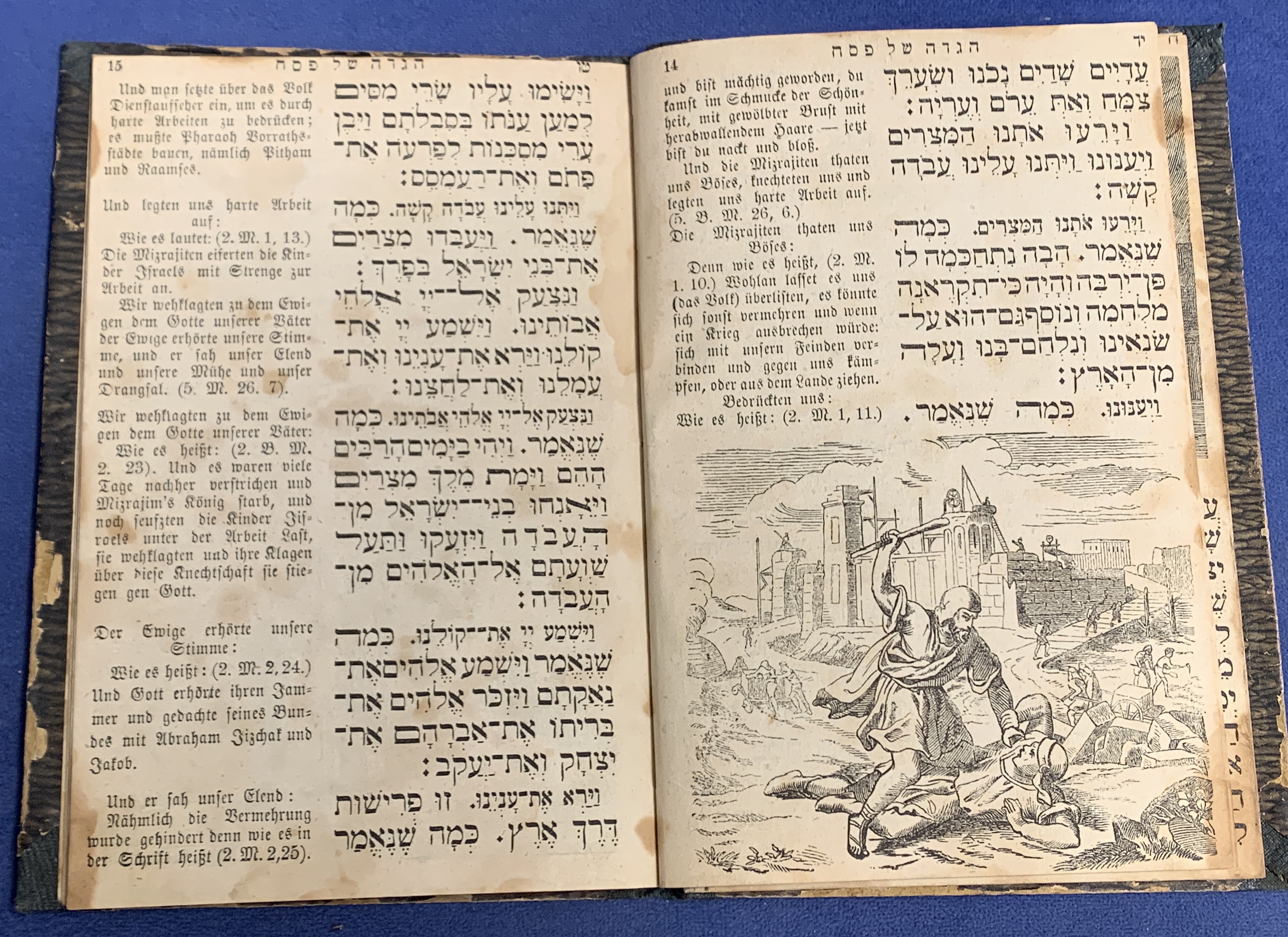
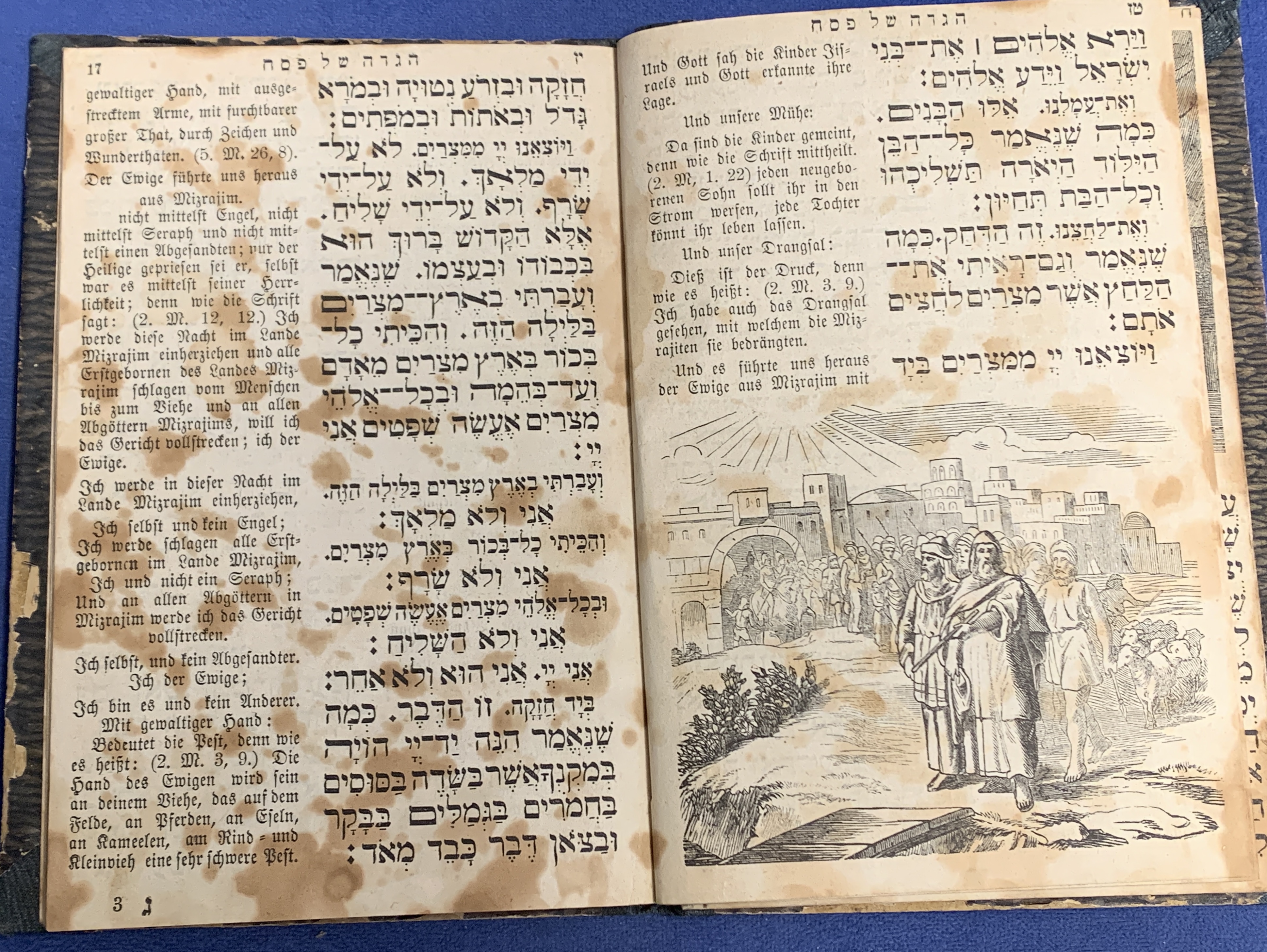
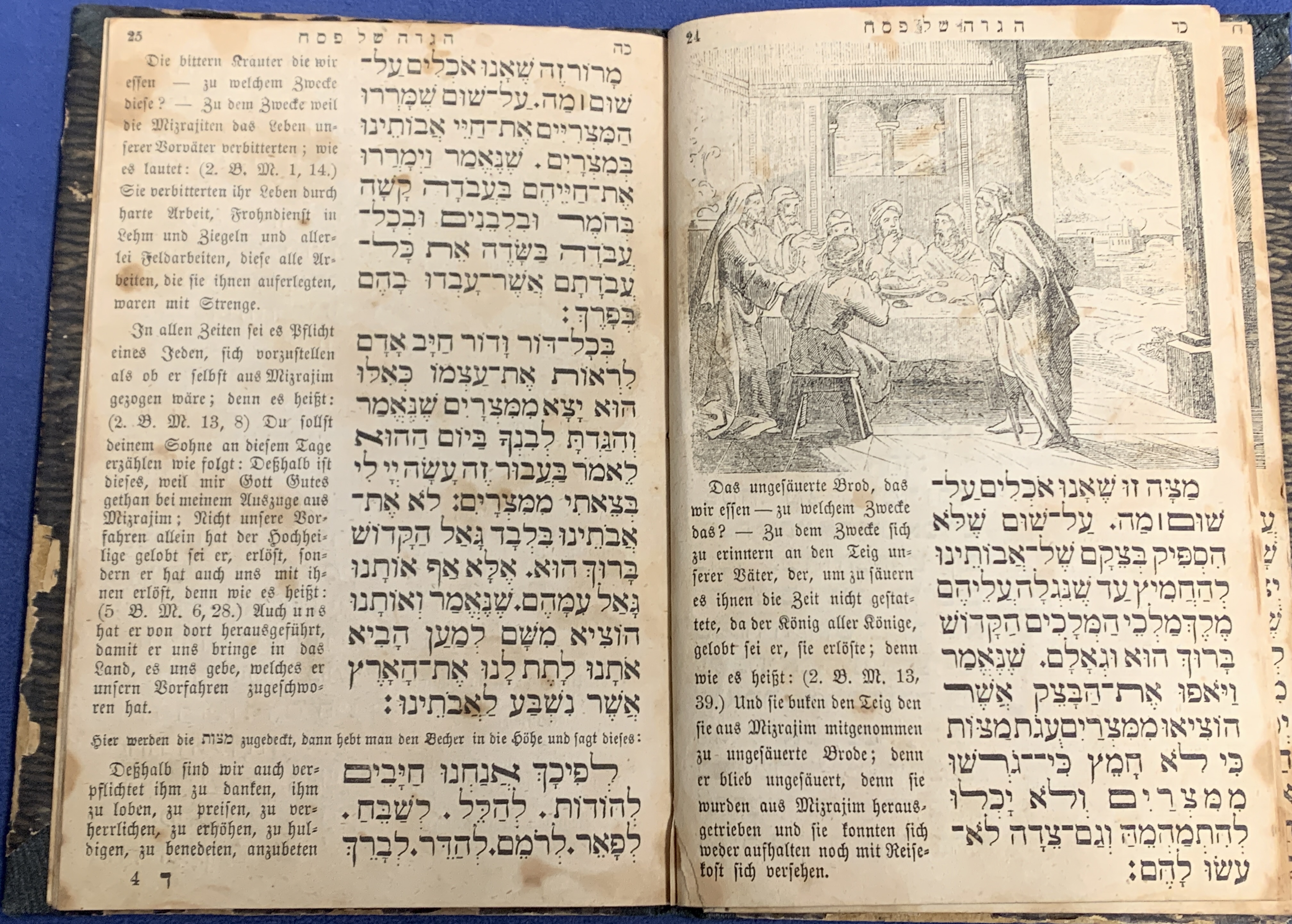
- Visual Iconography: Unlike its Hannover counterpart, this edition is rich in visual storytelling, featuring a suite of woodcut illustrations that bring the Exodus narrative to life. The new images confirm the following scenes:
- The Four Sons: Depicted in 19th-century European attire (p. 9).
- Slavery in Egypt: A dramatic scene of an Egyptian taskmaster striking an Israelite (p. 15).
- The Exodus: The Israelites departing the city gates (p. 17).
- The Seder Meal: A family seated around the table (p. 24).
- Splitting of the Sea: A dynamic full-column illustration of the crossing (p. 27).
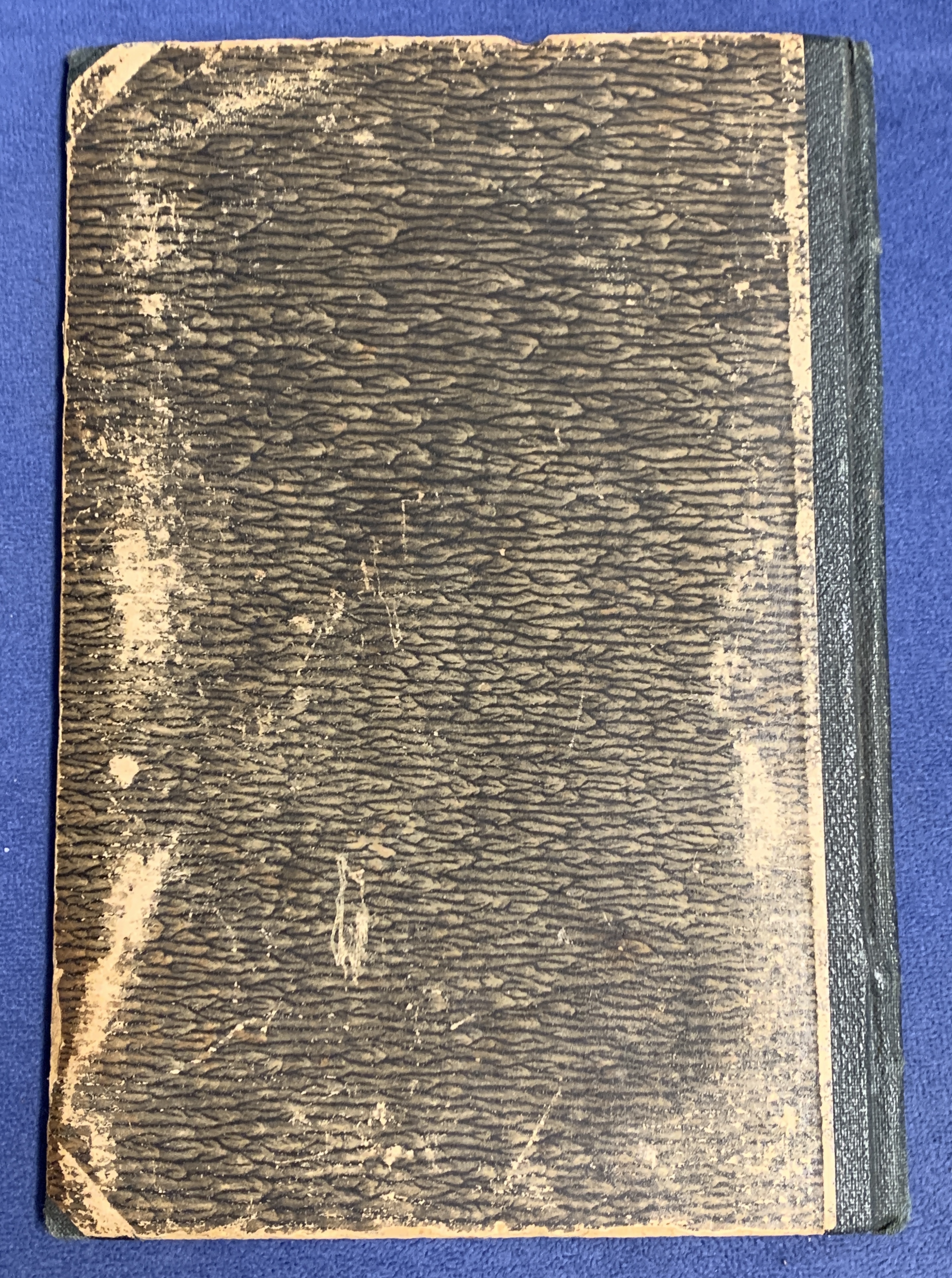
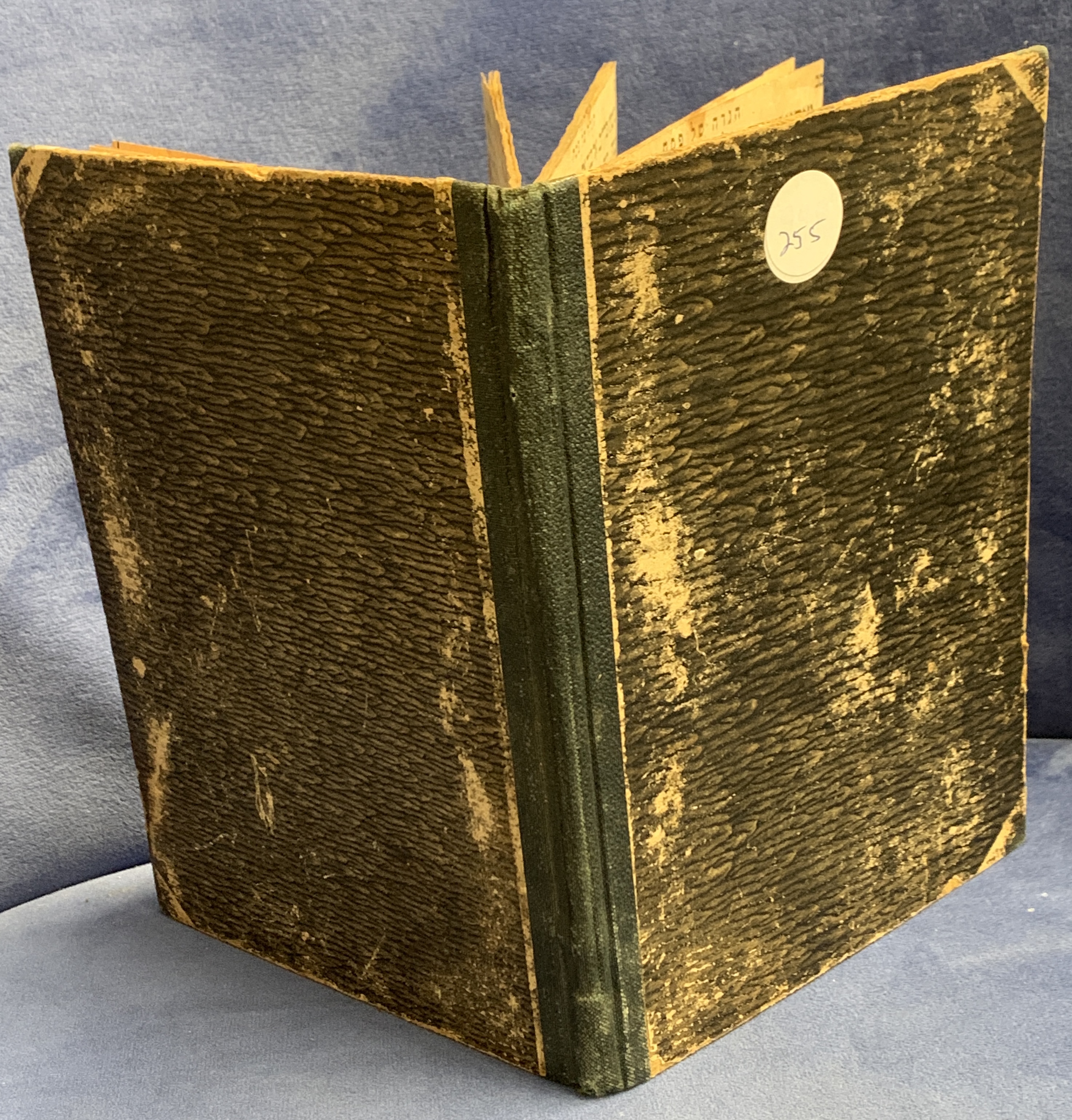
- Binding: Original quarter-cloth spine with patterned paper-covered boards.
Collector’s Notes
This pair offers a compelling study in 19th-century Jewish life:
- The Hannover edition represents the aspiration for Western integration and decorum.
- The Prague edition represents the enduring, earthy tradition of Central European folk Judaism, where visual storytelling and vernacular German commentary (in Hebrew characters) kept the family engaged.