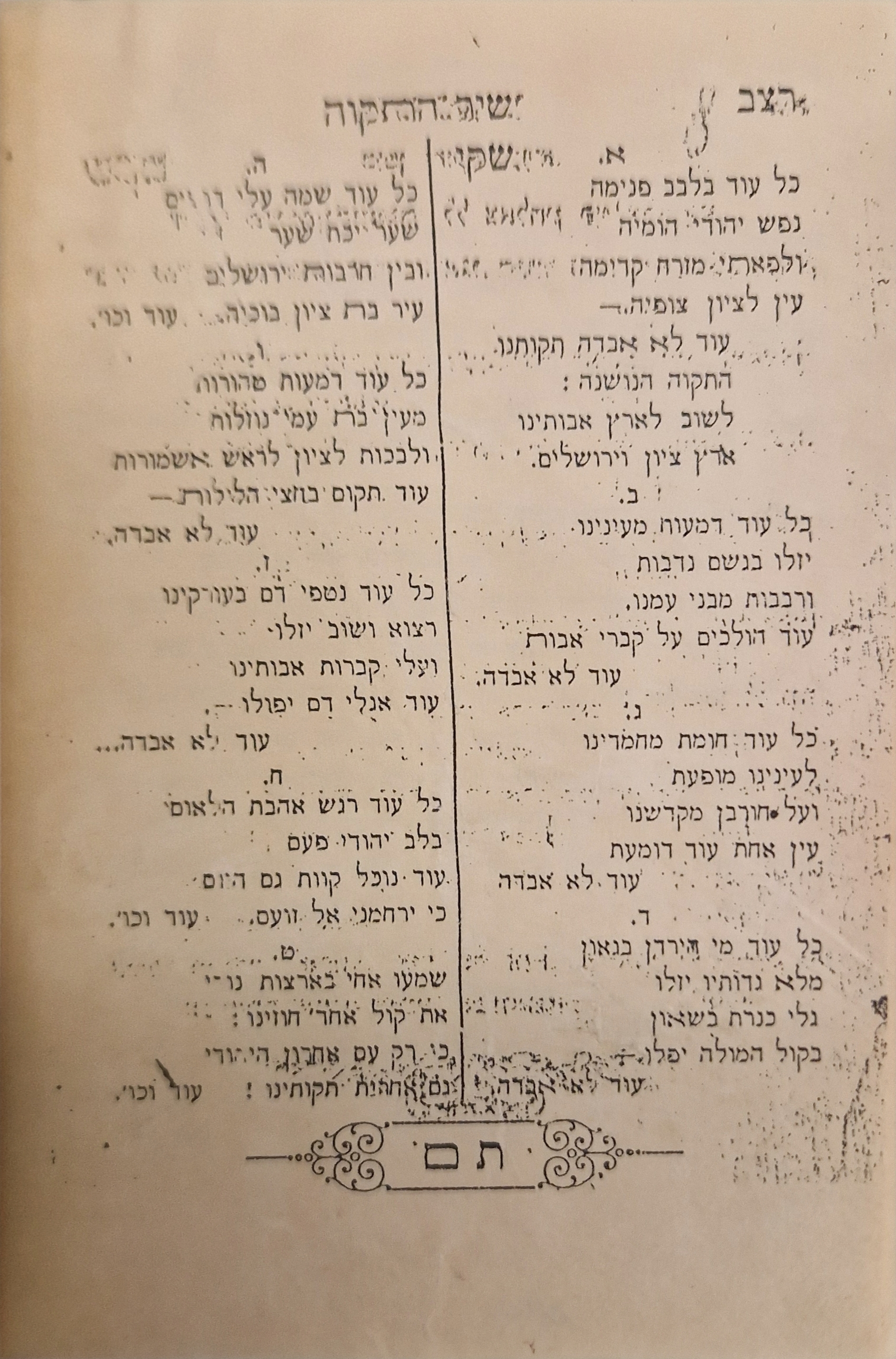
Description
A highly prized and culturally evocative early 20th-century Jerusalem compilation of traditional liturgical poetry (Pizmonim), hymns, and festive songs, capturing the profound spiritual atmosphere of the Old Yishuv prior to the founding of the State.
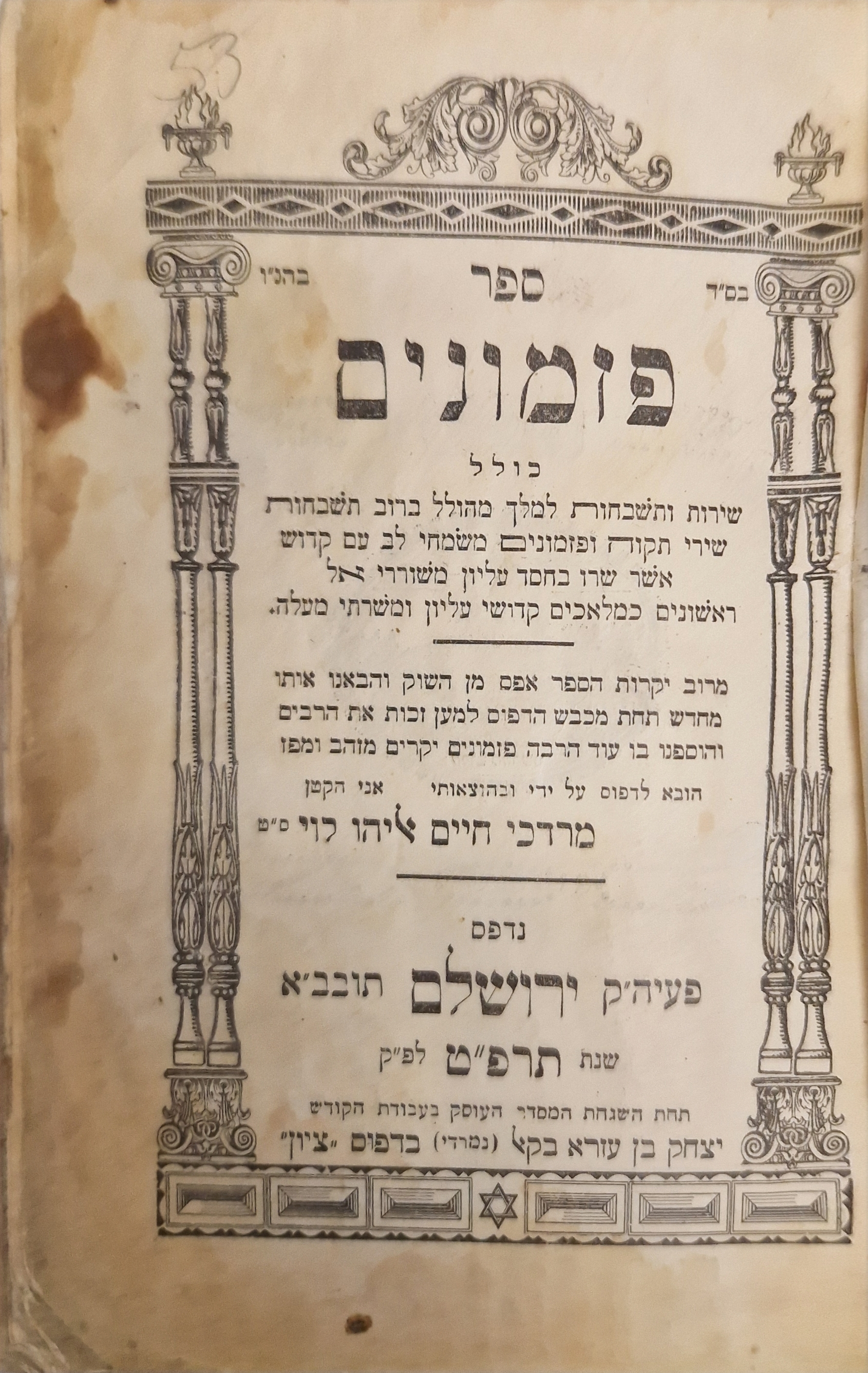
- Title: Sefer Pizmonim (ספר פזמונים / The Book of Hymns). It contains a comprehensive selection of liturgical praises intended for the Sabbath, holidays, and joyous lifecycle events.
- Compiler & Publisher: Compiled, edited, and brought to press by the Jerusalem scholar Rabbi Mordechai Chaim Eliyahu HaLevi (מרדכי חיים אליהו הלוי ס"ט), who dedicated this printing to preserving and spreading the rich musical and oral traditions of the diverse Jewish communities in the Holy City.
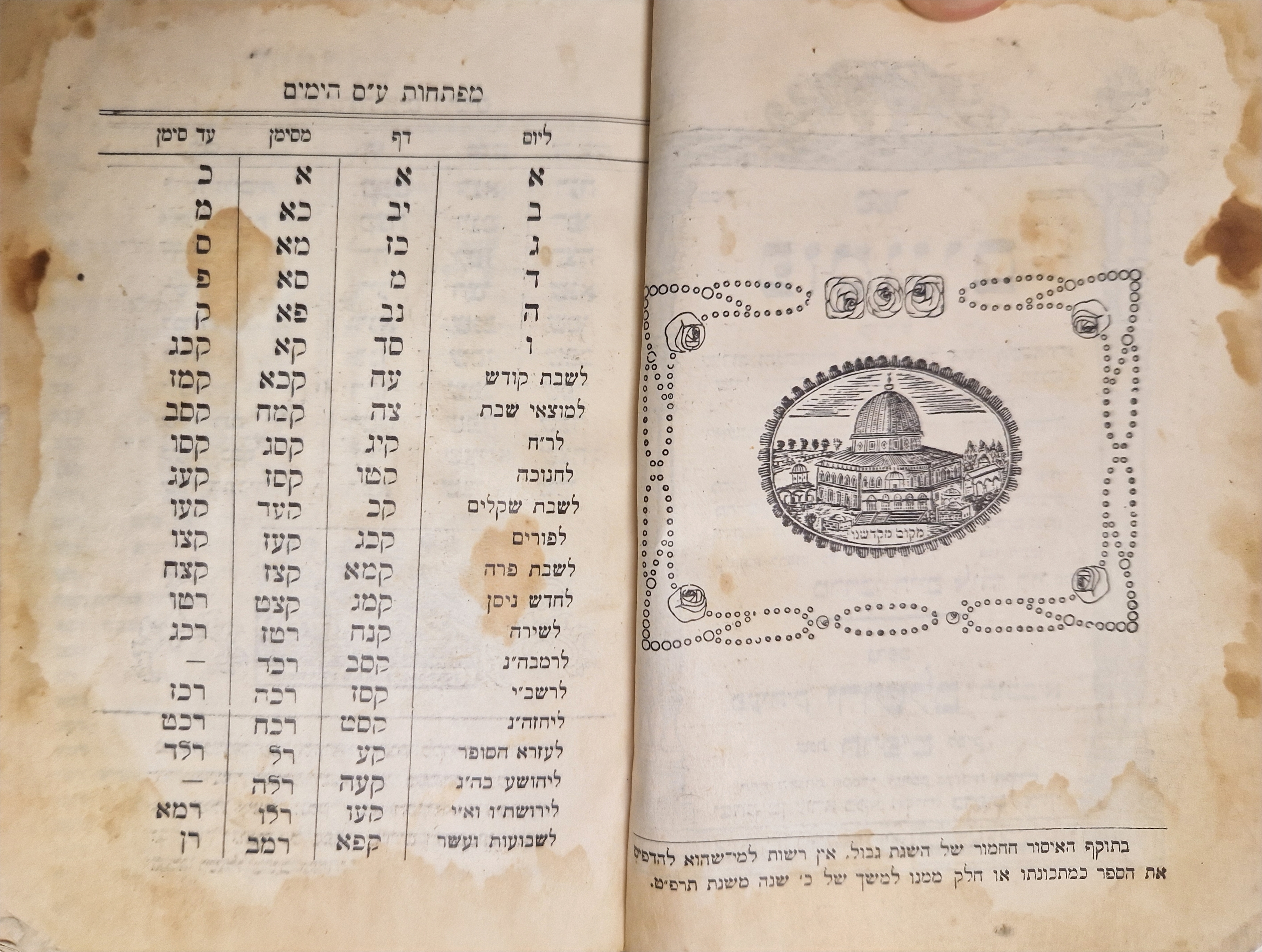
- Publication Details: Printed in the Holy City of Jerusalem (פעיה"ק ירושלם תובב"א) in the Hebrew year תרפ"ט (1929) at the famous Zion Press (בדפוס ציון), under the direct expert craftsmanship of the master typographer Yitzchak ben Ezra Baka (Nimradi). The inner index page is adorned with a stunning, intricate woodcut architectural engraving of the Dome of the Rock/Temple Mount ("מקום מקדשנו").
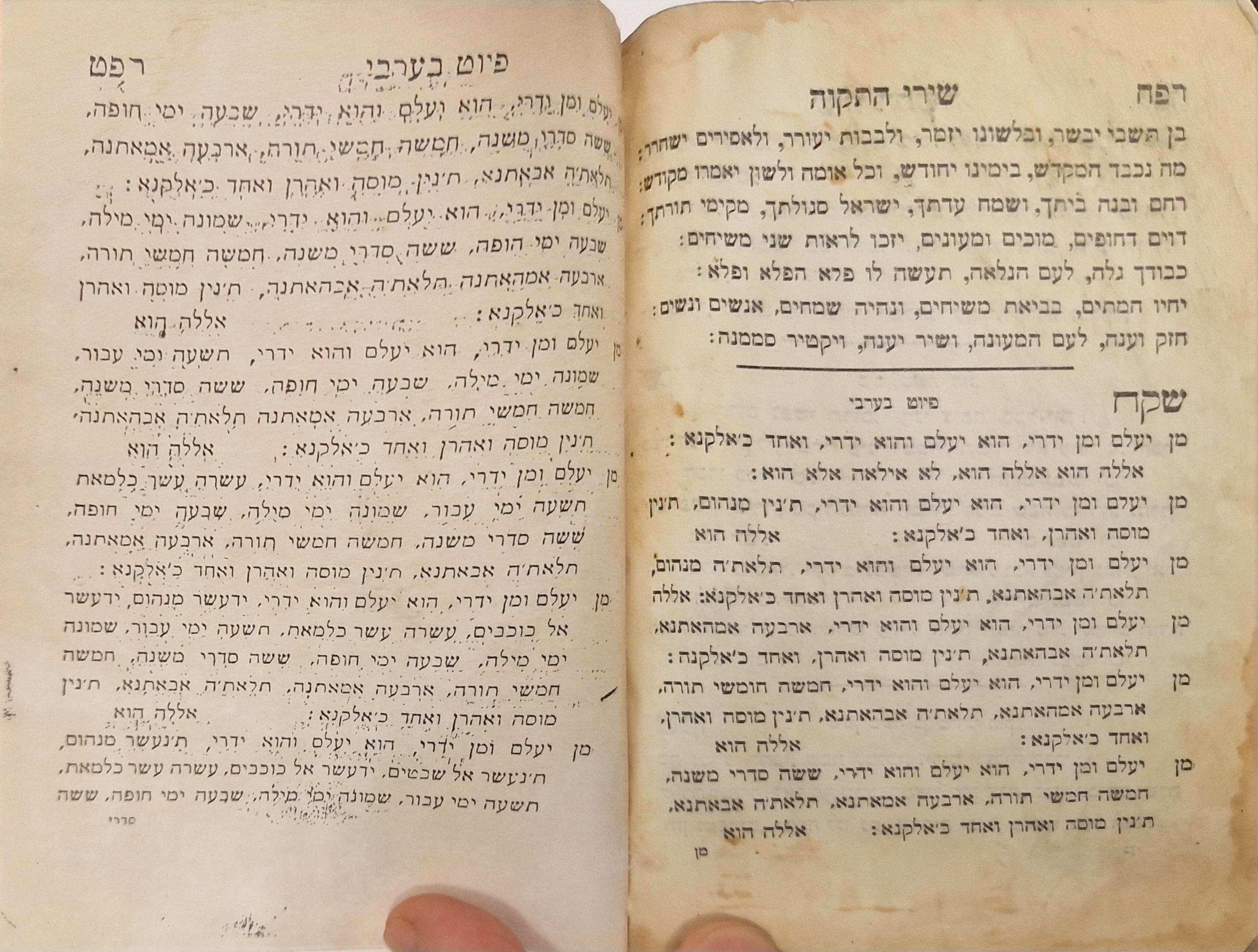
- The Historic Hatikvah Annex (Major Collector Appeal): The concluding leaves feature an extraordinary historical artifact: a complete, multi-stanza printing of Shirat HaTikvah (שירת התקוה / The Song of Hope), the national anthem composed by Naftali Herz Imber. This printing presents the rare, expansive original composition layout before it was officially shortened, making it an exceptional target for collectors of early Zionist history and Israeli cultural heritage.
Condition report:
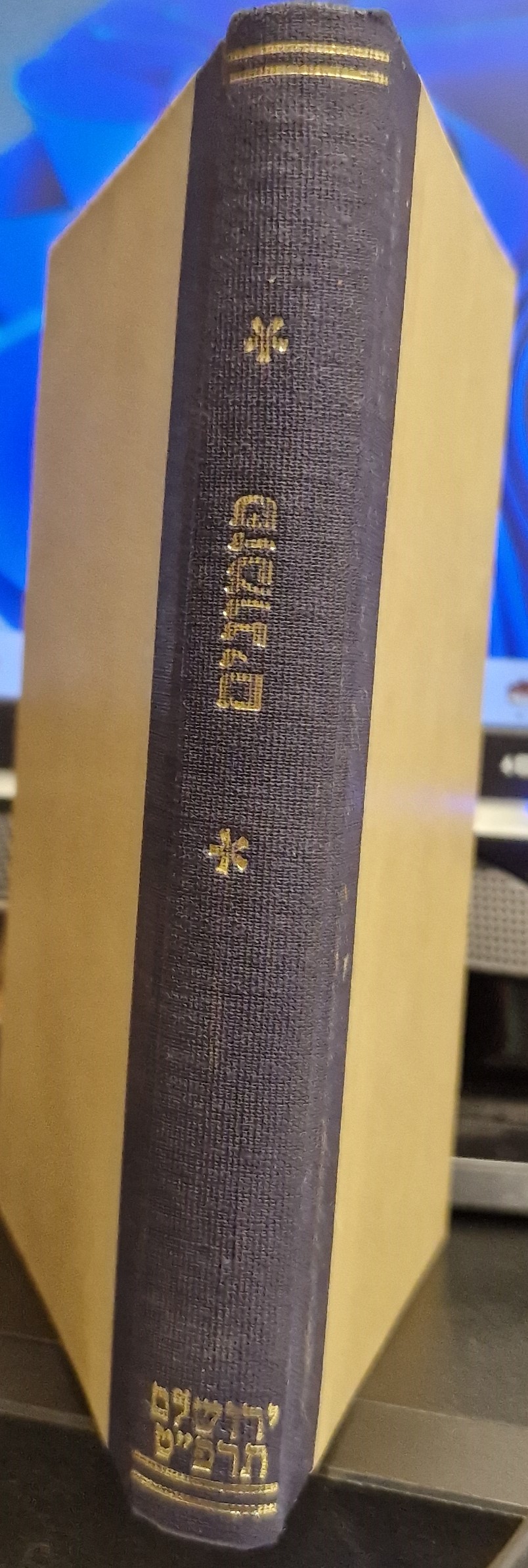
Binding: Beautifully upgraded and housed in a modern, pristine library-grade dark blue cloth binding. The spine features elegant, bright gilt-stamped gold lettering reading Sefer Pizmonim / Jerusalem 1929 (פזמונים / ירושלם תרפ"ט), providing excellent shelf presence and long-term durability.
Interior & Leaves: The primary paper block is stable and clean, displaying authentic uniform natural age-toning and localized, soft historic water staining along the peripheral margins that does not compromise the typography.
Bibliographic Detail (Completeness Note): The final two leaves of the volume (pages 289–292, containing the text of Hatikvah) are high-quality, professional facsimile reproductions. The replication is executed to an elite standard, matching the physical weight, text orientation, and visual aesthetic of the original sheets so seamlessly that they present as genuine leaves to the untrained eye.